With winter on the way, it's essential to keep in mind that our small furry pets, rabbits and guinea pigs, require some extra love, care, and attention. Like us, they struggle with shorter daylight, lower temperatures, and changes in their behaviour when the cold weather arrives.
At Mr n Mrs Pet, we believe in treating them with the same humanised, thoughtful approach we'd use for any other companion. In this blog, we're going to help you with food tips for rabbits and guinea pigs to provide warmth and comfort this winter, with an emphasis on nutrition for extra energy.
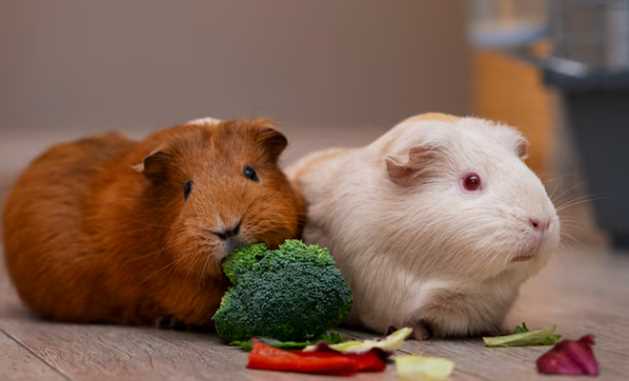
Why Winter Care Matters for Small Pets?
Even though rabbits and guinea pigs are herbivores accustomed to cooler climates, domestic conditions can make winter a little trickier for them. For instance:
- Rabbits can cope with cold fairly well as long as their home is dry and well-protected, but exposure to damp, wet or freezing conditions puts them at risk.
- For guinea pigs, the challenge is even greater: they are more vulnerable to cold and damp. During winter, their hutches must be moved indoors (if possible) or well protected, and extra bedding is a must.
- Both species may require more energy to maintain body heat (i.e., more calories from feed) if they are often exposed to cold.
For all these reasons, the diet and warmth strategy go hand in hand. Let's dive into how you can make them feel comfortable in winter.
Winter Diet Tips for Rabbits and Guinea Pigs
When the outside temperature dips, small animals expend more energy simply to stay warm. That means we need to support them by adjusting what and how they eat without overfeeding and causing other health issues.
Hay
Both rabbits and guinea pigs require access to good-quality hay; it's more than just fibre for them. Gnawing hay generates internal warmth, keeps digestion moving and wears down continuously growing teeth. Provide enough hay to guinea pigs and rabbits in winter to help them stay warm.
- Quality hay should be part of your guinea pigs' diet, and you should always have it available.
- Rabbits rely on high-fibre food in winter to maintain body heat because they cannot solely rely on stored fat.
- Raise the amount of hay in winter so that the animals can nibble more often and even burrow into it for warmth.
Tip: Pile hay deeper than usual in their sleeping/hide areas. For example, allow them to tunnel into it. This also gives insulation.
Pellets
High-quality pellets serve as a nutritional supplement. In winter, consider slightly increasing the portion only if your pet is healthy (not overweight) and needs extra energy.
- For guinea pigs, pellets should be grass-based, fortified with vitamin C, and given daily in the recommended small amount.
- For rabbits, a "port" of extra food during winter is recommended as it helps rabbits build additional fat reserves against the cold.
Tip: Rather than "more" pellets every day, consider slight incremental increases to ensure the extra energy doesn't convert into obesity. Monitoring weight is essential.
Fresh vegetables
Rabbits and Guinea pigs benefit from green vegetables for vitamins (especially Vit C for guinea pigs), hydration and variety.
- Guinea pigs cannot produce vitamin C themselves, so fresh greens high in vitamin C are essential year-round.
- In winter, especially when grasses may be fewer, offering "plenty" of good quality hay as well as their guinea pig nuggets and fresh food becomes essential.
- Leafy greens like romaine lettuce, parsley, kale, fenugreek (methi), spinach, and root vegetables like carrots and radish tops, though these should be given in moderation due to sugar content. They are good additions, but always ensure they're not frozen from the cold so as not to upset digestion.
Tip: Wash and serve room-temperature greens; avoid giving very cold or frozen veggies. Consider using peppers or parsley (for guinea pigs) as a supplement for vitamin C.
Fruits
You can also give fruits to your rabbits and hamsters, but remember, fruits are not a complete meal for them; always feed fruits as treats in small portions only.
- Fruits for Rabbits- Apple, Pear, Papaya, Guava, Pomegranate, Banana, Orange (very little), Strawberry
- Fruits for Hamsters- Apple, Papaya, Pear, Banana, Pomegranate (1-2 seeds), Guava (seedless piece), Melon
Water
Hydration is equally important in winter for small pets. Water freezes quickly in winter, so it is essential to keep a check on the water and regularly change it to avoid dehydration.
Frozen water bottles or bowls mean your pet may drink less, which impacts digestion and health.
Tip: If possible, use insulated water bottles or wrap them with pipe insulation or bubble wrap (but ensure it's out of reach of chewing). Check several times a day.
Check out the winter care tips for small pets : hamsters, rabbits and guinea pigs beyond the diet.
Final Thoughts
Winter doesn't have to be a stressful time for your rabbits or guinea pigs. With the proper care and a thoughtful diet plan that provides extra warmth, you can make winters enjoyable for your babies.
- Ensure their home is dry, draught-free, and insulated.
- Give extra bedding and hay for insulation and feeding.
- Slightly increase calories (more hay, consider higher-energy but safe options, moderate pellet increase) to help them stay warm.
- Make sure fresh greens & vegetables are offered, especially vitamin C, for guinea pigs.
- Keeping them Hydrated is essential.
At Mr n Mrs Pet, we encourage caring for your small-pet companions with warmth, attentiveness, and love. Give your rabbits and guinea pigs the extra hay-plush nest, the veggie treat, the little hide-tunnel, and the gentle interaction.