Winter can be harsh on small pets. Rabbits, hamsters, and guinea pigs have delicate bodies that lose heat quickly, making them more vulnerable than larger animals like dogs and cats that can keep themselves warm. Cold drafts, damp bedding, or sudden temperature changes can easily stress them, affect their appetite, and even lead to illness. These tiny creatures rely entirely on us to create a warm and safe environment.
The good news is that with a few simple steps, you can keep your pets warm, comfortable, and healthy all season long.
Do Rabbits, Hamsters, and Guinea Pigs Feel Cold?
Small pets are more sensitive to cold than larger animals. Even mild chills can make them uncomfortable and stressed.
Cold weather can lead to:
- Shivering and anxiety
- Reduced appetite and energy
- Weakened immunity
- Respiratory issues
A cosy, stable environment helps your pet maintain body temperature and stay active. Here are some tips to keep small warm and comfortable in winter,
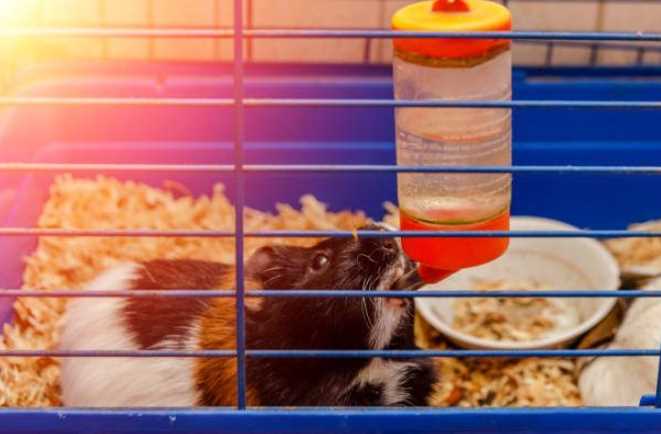
Tips to take care of small pets in Winter
Small pets are little delicate living beings who require a little extra care and pampering when there's a change in the weather conditions. Check out the mentioned tips to keep small pets happy and healthy in winter.
1. Ideal Temperature for Rabbits, Hamsters & Guinea Pigs
Each of the small pets has its comfort zone:
- Rabbits: 15°C to 21°C
- Hamsters: 18°C to 24°C
- Guinea pigs: 18°C to 23°C
To maintain these temperatures:
- Keep cages in a draft-free indoor space
- Avoid placing cages directly on cold floors
- Use a room thermometer to monitor warmth.
A steady, moderate temperature is much better than relying on direct heaters or frequent changes.
2. Create a Warm and Cosy Habitat
Think of your pet's cage as their little winter cabin. The warmer and more comfortable it is, the less stressed they will be.
Start with bedding. Straw, hay, or soft fleece liners work best for trapping heat. Change bedding regularly to keep it fresh and fluffy.
Adding hideouts or tunnels gives your pet a cosy retreat and helps conserve body heat. You can also cover part of the cage with a breathable cloth to block drafts while still allowing airflow for more warmth and comfort.
Pet-safe heating pads or wrapped hot water bottles can provide extra warmth. Always make sure your pet can move away if it gets too hot.
3. Nutrition and Hydration in Cold Weather
Energy requirements rise in the winter. Pets that receive nutrition properly stay warm, healthy, and active.
Make sure your pets always have fresh, unfrozen water. For rabbits and guinea pigs, extra hay not only helps digestion but also generates internal warmth. Leafy greens, carrots, and vitamin-rich vegetables boost immunity during colder months.
Hamsters benefit from a balanced mix of grains, seeds, and fresh produce. Treats can give an energy boost, but keep them minimal to avoid digestive issues.
4. Grooming and Health Checks
Grooming may seem less important in winter, but it actually plays a crucial role in keeping pets warm. Damp, tangled, or dirty fur traps cold and can increase the risk of illness.
Keep your pet's fur clean and dry at all times. Regular brushing prevents matting, which helps maintain insulation. Trimming extra fur around the eyes, ears, and bottom keeps them hygienic and comfortable.
Watch for signs of respiratory issues such as sneezing or nasal discharge. Weigh your pet weekly to track changes in appetite or activity.
If you notice anything unusual, contact your vet early. Quick attention prevents minor issues from becoming serious.
5. Exercise and Enrichment
Even in winter, pets need activity to stay healthy. Boredom can lead to stress, weight gain, or behavioural issues.
Set up a safe indoor play area. Rabbits and guinea pigs can hop around in a small pen or play space.
Tunnels, chew toys, and cardboard boxes give them entertainment and mental stimulation. Hamsters can enjoy their exercise wheel in a warm room.
Rotate toys regularly to keep things interesting. Short, frequent play sessions are better than one long session, keeping your pets active without overexerting them.
Signs Your Pet Might Be Too Cold
Pets can't tell you when they're freezing, but behaviour gives clues. Watch for shivering, huddling in corners, cold ears or paws, decreased appetite, or excessive hiding.
If you notice these signs, warm your pet gradually. Avoid sudden heat or direct contact with heaters.
A veterinarian should address persistent symptoms.
Common Winter Care Mistakes to Avoid
Some well-meaning pet parents make mistakes that can stress small pets.
- Placing cages too close to heaters can overheat or create uneven warmth
- Using damp or flattened bedding reduces insulation
- Ignoring drafts near windows or doors
- Sudden temperature changes occur when moving pets between rooms.
A stable and consistent environment is much safer than extremes of hot and cold.
Winter Essentials That Make a Difference
A few carefully chosen products make winter much easier:
- Fleece liners or thick, dry bedding
- Hideout huts or tunnels for warmth
- Pet-safe heating pads or wrapped hot water bottles
- Breathable cage covers to reduce drafts
- A room thermometer to monitor temperatures
Always prioritise safety; avoid exposed wires, plastics that overheat, or anything your pet could chew on.
How Professional Grooming and Boarding Can Help
Not every pet parent can manage winter care alone, and that's okay.
At Mr n Mrs Pet, we provide pet care tips approved by our experts and boarding services designed to keep your small pets warm, clean, and comfortable. Our temperature-controlled spaces, insulated enclosures, and personalised care routines ensure your pet thrives even during the coldest months.
Winter care is about consistency and attention. Keep cages warm, feed nutritious food, monitor health, and ensure daily activity.
A little planning and routine can make the season cosy, safe, and enjoyable for your rabbits, hamsters, or guinea pigs.