When the temperature drops, we rush for sweaters, blankets, and hot drinks. But you must have also wondered what your dog feels during winter. While their fur coat gives some protection, most dogs, especially short-haired, minor, or senior ones, struggle with the cold. They may need extra warmth, more nutrition, and gentle grooming to stay healthy in winters.
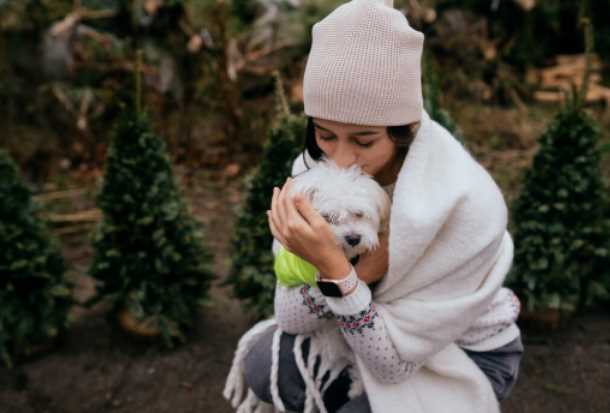
Winter is also a season when pet parents often make mistakes: over-bathing, skipping hydration, or not adjusting the diet. The truth is, dogs need as much care as we do, if not more. That's why this guide will share practical, easy-to-follow winter care tips for dogs from diet and grooming to paw care and exercise, so your furry friend enjoys the season comfortably.
Keep Your Dog Warm and Comfortable Indoors
Dogs can tolerate cold weather, but extreme temperatures can be harmful.
- Provide a cosy space: Keep your dog's bed away from cold tiles, drafts, or open windows. A cushioned bed with blankets works best.
- Dog sweaters and jackets: Small breeds, short-haired breeds (like Beagles or Dachshunds), and senior dogs may need extra insulation outdoors.
- Limit cold exposure: Avoid leaving dogs outside for long periods in freezing weather.
What Should Dogs Eat in Cold Weather?
Dogs tend to burn more calories in winter to keep themselves warm, which means their diet may need adjustments.
What should dogs eat in winter?
- High-quality protein: Chicken, eggs, lamb, or fish support muscle strength and immunity.
- Healthy fats: From fish oil, flaxseed, or coconut oil keep the coat shiny and skin moisturised.
- Carbohydrates in moderation: Brown rice, oats, and sweet potatoes give energy but shouldn't replace protein intake in their diet.
- Fibre-rich veggies: Carrots, pumpkin, and spinach boost digestion and immunity.
Should you feed more in winter? Yes, slightly. Dogs often need 5–10% more food in colder months, especially active or outdoor dogs. Indoor dogs may not need extra calories, so monitor their weight to avoid obesity.
Winter foods to avoid for dogs
- Sugary treats and chocolates
- Spicy or salty foods
- Excess dairy (can cause tummy issues)
Winter Diet Checklist for Dogs
| Food Group | Good Options (Safe) | Benefits |
|---|
| Protein |
Chicken, fish, eggs |
Builds strength, boosts immunity |
| Fats |
Fish oil, coconut oil, ghee |
Keeps coat shiny, skin healthy |
| Carbohydrates |
Sweet potato, oats, brown rice |
Provides energy, keeps warm |
| Vegetables |
Carrot, spinach, pumpkin |
Fibre, vitamins, antioxidants |
Pro Tip: At MMP, we help pet parents create personalised diet plans depending on their dog's breed, size, and health needs.
Keep Your Dog Hydrated (Yes, Even in Winter!)
Many pet parents assume dogs don't need much water in winter, but that's a myth. The dry indoor air from heaters and central heating can actually dehydrate dogs faster, even when they're not panting or visibly thirsty. Always change the water bowl with new, fresh water every 1-1.5 hours to keep a clean bowl of fresh water available, and if your dog isn't drinking enough, try offering lukewarm water or nutritious bone broth to keep them hydrated and healthy through the cold months.
Winter Grooming: Protect Their Skin and Coat
Skipping grooming in winter is a common mistake many pet parents tend to make. A healthy coat provides natural insulation.
- Brushing: Brush 2-3 times a week to remove loose fur and improve circulation.
- Bathing: Bathe less often (once in 3-4 weeks), using mild, moisturising shampoos.
- Dry properly: Never let your dog stay damp after a bath; it can make them sick.
- Moisturise: Apply dog-safe coconut oil or paw balms for dry skin.
Need help? MMP connects you with professional groomers at home, so your dog gets safe winter grooming without stepping out in the cold.
Paw Care in Winter: Small Step, Big Difference
Dogs walk on cold surfaces, salt-treated roads, and rough pavements. This can cause cracks and injuries, which is why paw care is essential in winter.
- Check paws daily: Look for cuts, redness, or ice build-up.
- Trim fur between paw pads: Prevents snow or ice clumping.
- Use paw balm or coconut oil: Keeps them soft and protected.
- Dog boots (if tolerated): Come in handy for walks in snowy cities and salted paths that may harm your pet's paws.
Exercise and Walks During Winter
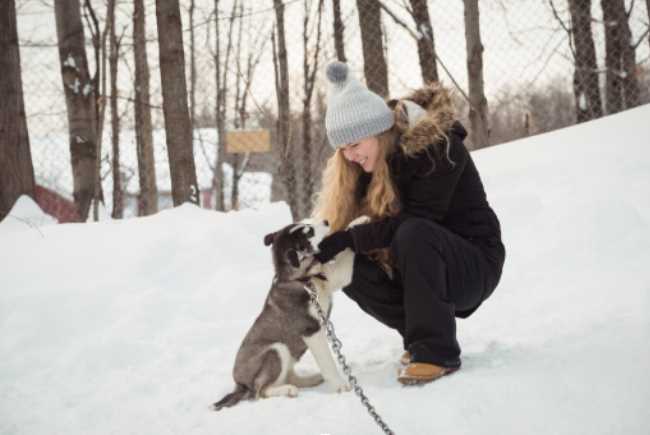
Dogs still need movement, but timing matters in winter.
- Walks: Best in late mornings or early afternoons when it's warmer.
- Short sessions: Instead of long walks, try multiple short ones.
- Indoor activities: Tug of war, fetch in the hallway, or puzzle toys help burn energy indoors.
Remember, exercise keeps dogs fit and also prevents winter weight gain.
Watch Out for Winter Health Concerns
Many pets, particularly older dogs, suffer from joint stiffness, dandruff, and dry skin. Their immunity may be affected by the cold, which increases their vulnerability to colds, sneezing, and low energy. Your dog might show signs of the winter chill, such as decreased appetite, increased sleep, rejection of playtime or exercise, or decreased activity.
It's essential to keep an eye on these subtle changes and act early. If your dog shows continuous coughing, sneezing, or extreme shivering, don't ignore it. Similarly, a sudden drop in energy, stiffness, or refusal to eat or drink could mean you need to consult a vet for proper diagnosis.
Give Extra Love and Mental Stimulation
Winter blues can affect dogs, too. They may feel lazy, bored, or even anxious.
- Interactive toys: Keep them engaged indoors.
- Cuddle time: Dogs love warmth and affection.
- Training sessions: A great way to stimulate their mind.
Caring for your dog in winter is simple if you focus on diet, hydration, grooming, paw protection, and health monitoring. Every small step, like offering a warm bed, nutritious food, or paw balm, makes a big difference in keeping your pet warm, healthy and happy.
Quick Tips & Reminders
- Keep bedding warm and elevated from cold floors.
- Monitor water intake; offer lukewarm water if needed.
- Brush regularly and reduce bath frequency.
- Check paws after outdoor walks.
- Shorter, more frequent walks are preferable on cold days.
When to see a vet: Continuous coughing, severe shivering, refusal to eat/drink, or sudden lethargy.
At Mr n Mrs Pet, we help pet parents with dog grooming, vet care, diet planning, and quality pet products. So this winter, let's give our furry friends the comfort and care they deserve.