Have you ever noticed your puppy scratching excessively or being lethargic without an apparent reason? Monsoon seasons create a perfect breeding ground for microbes, and fungal infections in dogs are more common than you might think, particularly during the monsoon pet care season in India. As pet parents, we don't want our fur babies to develop fungal infections and suffer, right? With this guide, we will walk you through everything you need to know about fungal infections in dogs.
What is a Fungal Infection in Dogs?
A dog skin infection caused by fungi occurs when harmful fungi invade a dog's skin, ears, nails, or internal organs. These infections may be localised (external) or systemic (internal).While some fungal organisms naturally live on your pet's body, problems occur when these organisms grow uncontrollably or when harmful fungi enter from the environment.
What Causes Fungal Infections in Dogs?
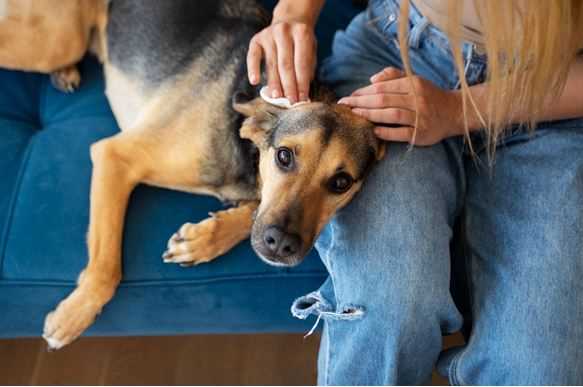
A combination of environmental and biological factors causes fungal infections in dogs. Puppies in India are especially prone to specific health issues due to Climate Conditions, Lack of cleanliness, weak Immune System, Contact with Contaminated Soil or Animals, Improper Diet, and Excess Moisture. These environmental and biological trigger soften contribute to monsoon pet issues in India.
Symptoms of Fungal Infections in Dogs
Symptoms can range from mild skin issues to serious internal problems, depending on the type of infection.
● Itching, redness, or flaky skin (skin yeast infection in dogs)
● Circular patches of hair loss
● Foul odour from skin or ears
● Dog ear yeast infection or thick discharge from ears
● Discoloured or brittle nails
● Lumps, ulcers, or sores on the skin
● Persistent coughing or laboured breathing
● Diarrhoea, weight loss, or low energy
● Neurological signs like head tilt or seizures (in severe cases)
What Are the Types of Fungal Infections in Dogs?
Fungal infections in dogs are mainly divided into two types of infections:
1. Systemic Fungal Infections in Dogs
The lungs, brain, intestines, and bones are among the deeper body parts that are impacted by systemic fungal infections. Dogs can get them by breathing in spores or by getting them through open wounds. Although less frequent, systemic infections can still be harmful to dogs, which is why frequent veterinary care and close monitoring are essential. If left untreated, they can become fatal. Some of the main types areas follows:
Aspergillosis
This infection spreads through spores found in dust, compost, or old leaves. Dogs with longer nasal passages are usually more affected.
Blastomycosis
Blastomycosis is caused by Blastomyces dermatitidis, a fungus that thrives in moist soil, wooded areas, and near water bodies, environments commonly found in Indian monsoon belts and forest regions.
Cryptococcosis
This infection typically originates from inhaling spores found in pigeon droppings or in old, dusty buildings. It can spread to the central nervous system, making it very dangerous or even fatal.
Histoplasmosis
This infection is caused by Histoplasma capsulatum. Dogs can contract it by inhaling or ingesting the spores.
2. Localised Fungal Infections in Dogs
Localised fungal infections, aka cutaneous or superficial fungal infections, affect the outer parts of your pet's body. This type of fungal infection is common in india, particularly during the monsoon and post-monsoon seasons, when moisture becomes trapped in a dog's coat, ears, or skin folds leading to dog skin rashes. Here are some localised fungal infections that are common in dogs:
Ringworm (Dermatophytosis)
Ringworm is a highly contagious fungal infection caused by fungi such as Microsporum or Trichophyton. It spreads easily through direct contact with infected animals or contaminated surfaces.
Yeast Infection (Malassezia Dermatitis)
This is a common skin condition caused by an overgrowth of the yeast-like fungus Malassezia. This fungus grows in warm, moist areas, such as the ears, armpits, and pubic area.
Candidiasis
A poor diet, weakened immunity, or the use of antibiotics may all lead to the unchecked growth of the yeast Candida albicans, which causes candidiasis. Usually, it affects the skin folds and mucous membranes.
Sporotrichosis
a serious infection brought on by the fungus Sporothrix schenckii, which is present in hay, thorny plants, and decomposing vegetation. Usually, pets who play in gardens or wooded areas get infected by this through cuts or puncture wounds.
How to Prevent Fungal Infections in Pets
It's normal to wonder, "How can I keep my Pet safe?" after learning about the various kinds, causes, and symptoms of fungal infections. Don't worry, Mr. and Mrs. Pet have you covered with these simple preventative tips, particularly when it comes to pet care during the monsoon season:
Keep your Pet dry and clean.
After walks, always make sure your dog is completely dry and don't let any sensitive spots stay wet or muddy.
Maintain regular grooming
The majority of skin infection scan be avoided with regular and efficient grooming. To keep your pet clean and avoid moisture buildup, brush their fur frequently and trim any extra hair. Make an appointment with a professional groomer every few weeks for a more convenient and hygienic approach.
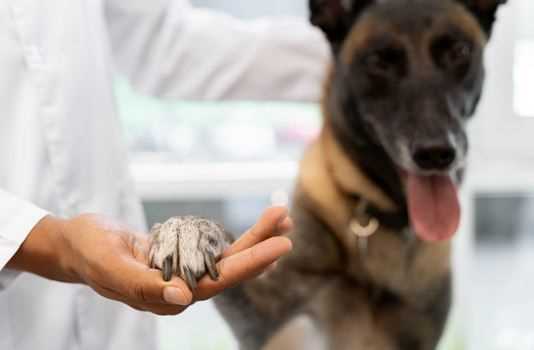
Clean ears and paws frequently
Breeds like the Cocker Spaniel and the Labrador Retriever have coats that retain moisture and floppy ears, making them prone to fungal infections. To avoid that, use vet-approved, pet-safe ear cleaners and paw wipes to keep these areas dry. Check for black or brown muddy bumps frequently, as they are a sign of infestation.
Disinfect bedding and grooming tools
Don't forget to wash your dog's bedding, toys, and brushes regularly with mild disinfectant to prevent fungal buildup.
Avoid walking in contaminated areas.
Avoid damp gardens or areas with bird or bat droppings, especially after rainfall.
Feed a balanced diet.
A nutritious diet supports immunity. Include foods rich in omega-3 fatty acids and probiotics to maintain healthy skin and gut flora.
Don't ignore skin issues.
If you notice itching, foul odour, hair loss, or redness, don't wait. Visit the vet for early diagnosis and treatment. You can also contact us to book vet consultations online.
If your dog exhibits signs of a fungal infection, consult a vet for a proper diagnosis and treatment. For added care, book a dog antifungal grooming session. At Mr n Mrs Pet, our expert groomers use medicated shampoos and safe cleaning techniques to relieve discomfort and prevent reinfection.
How to Treat Dog Fungal Infections at Home
Products that have been approved by veterinarians can be used at home to treat minor infections:
● Shampoos with medication for dog skin irritation and infections
● Topical treatments for affected, irritated areas, such as sprays or creams
● Ear cleaning solutions to manage dog ear yeast infection
● Paw balms or wipes to stop fungus from infecting a dog's paws
● Probiotics to strengthen the immune system and skin
Use consistently as directed for faster recovery.
We understand how frustrating and uncomfortable fungal infections can be for you and your pet. But with a little extra attention and regular care, most of these problems can be avoided altogether. If you ever feel something's not quite right, don't second-guess yourself; contact your vet immediately. At the end of the day, your dog counts on you for love, comfort, and protection every single day.