Real-life tips to keep your dog dry, clean, and tail-wagging happy through the rains
There's something so peaceful about the first spell of rain: the earthy smell, the drop in temperature, and the sound of rain on the roof. But if you're a dog parent, there's also that familiar moment of dread: "Here we go again."
Because let's be honest, dog care in the monsoon means muddy walks, wet fur, that damp dog smell, and a whole lot of wiping, drying, and cleaning. But it also means being extra mindful of your pet's health and comfort.
So, whether your dog loves the rain or hates it with a passion, here's a friendly guide to help you tackle rainy season dog care with less mess and more love.
1. Daily Grooming and Drying: Your First Line of Defence
Rainy weather and your dog's fur are not a great combo. Even short trips outdoors can leave your dog soggy, and when that moisture gets trapped, it can lead to fungal infections, itchy skin, or pesky hot spots.
Start by keeping a super-absorbent towel or microfiber cloth specifically for your dog, something that's just for them. After every walk, gently dry them off, especially the sneaky spots that stay damp: belly, paws, underarms, ears, and the folds around their legs.
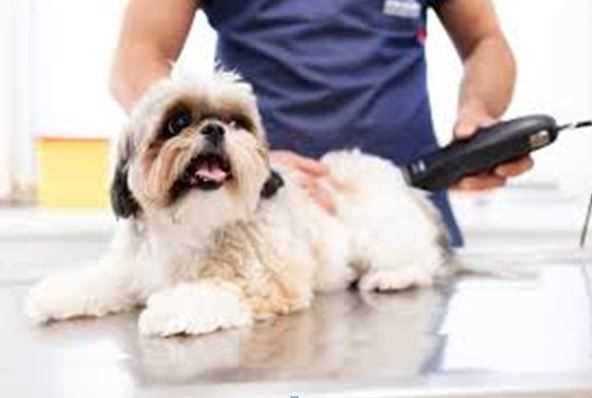
Add a good grooming and brushing session to your daily routine. It helps remove loose fur, detangle damp strands, and improve air circulation to their skin. If you have a long-haired or double-coated breed, this step is even more critical.
Monsoon dog hygiene tip: Don't forget the ears. Moisture easily builds up in floppy-eared breeds like Labradors, Cocker Spaniels, or Beagles. Clean their ears once or twice a week with a gentle, dog-safe ear cleaner: just a little cotton and cleaner, no earbuds, ever.
2. Smarter Outdoor Time: Work With the Weather, Not Against It
Your dog still needs exercise and stimulation, no matter how stormy the skies are. But during the monsoon, timing is everything.
Use weather apps to plan short, strategic walks during breaks in the rain. Even 10-15 minutes of walking a few times a day can make a significant difference in burning off energy. A light raincoat or a pet umbrella can help keep them dry. And if your dog doesn't mind wearing them, dog boots are great for keeping paws mud-free.
Do you have a dog who hates getting wet? No problem. Turn indoor time into playtime. Play fetch in the hallway, create a treasure hunt around the house, or use interactive puzzle feeders to make meals more mentally stimulating.
Pet care tip for monsoon: Set up a drying station near the door. A towel, mat, and some paw wipes make cleanup quicker, and your floors stay cleaner as well.
3. Keep Their Space Clean and Dry: Hygiene Matters
When it's humid outside, everything stays damp longer, and that includes your dog's bedding, toys, bowls, and mats. If not cleaned regularly, these can become hotspots for bacteria, mold, and yeast.
Here's how to stay ahead:
● Wash bedding weekly with a mild, pet-friendly detergent. Dry it in sunlight when you can, or air it out properly indoors.
● Clean bowls daily. Food residue spoils faster in humid weather, which can lead to stomach upset. Rinse thoroughly and wipe dry.
● Wash toys regularly. Rope toys and soft plushies absorb moisture quickly. A weekly wash keeps germs away, especially if your dog loves licking or chewing them.
Why it matters: A fresh, clean environment is foremost the best way to prevent skin infections, allergies, and tummy issues during the rainy season.
4. Support Their Immunity and Gut Health
Monsoon isn't just about getting wet; it's also a time when dogs are more vulnerable to infections and stomach bugs. That's why enhancing their immunity is essential for dog care in the rainy season. Begin with the fundamentals: Never overlook deworming. Parasites flourish in moist environments, and it's simple to miss those veterinary reminders.
Deworming safeguards your dog against internal parasites that may lead to digestive problems or tiredness. Also, incorporate probiotics into your pets' diet. Whether it's a vet-recommended probiotic powder or a chewable supplement, it helps balance gut bacteria, primarily when the weather affects the quality of food and water.
If your dog tolerates dairy, a spoonful of plain curd can also be beneficial for digestion. Just double-check with your veterinarian, especially if your pet has a sensitive stomach.
Extra tip: Always store kibble in airtight containers. Moisture can seep into open bags and spoil dry food without you noticing.
Get in touch with our pet care expert if you are still struggling with the right diet plan for your dog.
5. Keep an Eye on Their Health: Catch Early Signs
Monsoon illnesses can sneak up quietly. A little extra sleepiness or a foul smell from the ears may not seem urgent, but these small signs can point to something bigger.
Watch out for:
● Red or itchy skin
● Foul smell from ears, fur, or paws
● Excessive licking or scratching
● Vomiting or loose stool
● Loss of appetite or interest in play
● Mild fever or low energy
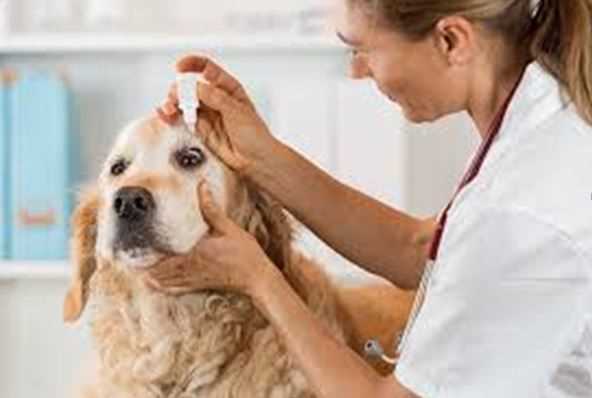
If anything seems off, contact your veterinarian promptly. Seasonal infections progress faster than you'd expect, and catching them early makes treatment easier and safer for your dog.
Final Thoughts: Rainy Days Can Still Be Happy Days
The monsoon doesn't have to be a season of stress. With a few smart tweaks to your routine and a little preparation, it can become a cozy bonding time for you and your pet.
Brush them. Dry them. Keep their bedding clean. Make playtime fun, even if it's indoors. And most of all, pay attention to how they're feeling. Dogs may not speak, but they're constantly communicating.
And suppose you're hunting for rainy-season must-haves like quick-dry towels, paw wipes, raincoats, probiotics, or ear cleaners. In that case, Mr n Mrs Pet has everything you need to keep your pet dry, comfy, and safe.
When it comes to dog care in the monsoon, being prepared makes all the difference.