If you have ever noticed your dog scratching too frequently, licking their paws, or getting red patches on their skin during certain seasons, you are not the only one. Seasonal allergies in dogs are quite common in India, and pet owners often assume it to be a minor problem for their pets.
The reality is that Indian weather, with its mix of heat, humidity, dust, and pollen, can easily trigger allergies in dogs. Understanding what's happening and how to manage it can make a big difference in your dog's comfort.
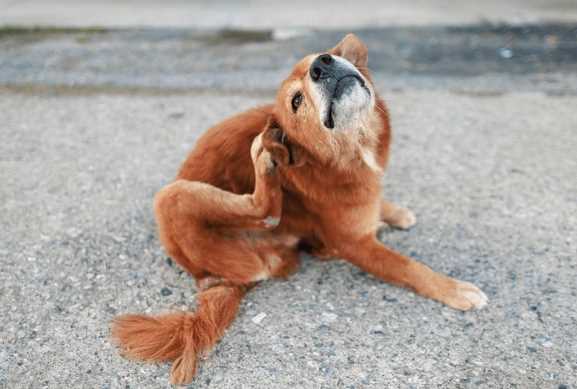
What are seasonal allergies in dogs?
Seasonal allergies, also known as Atopic Dermatitis, occur when a dog's immune system overreacts to environmental triggers. These allergens are usually harmless but can cause intense discomfort for sensitive dogs.
Unlike humans, who mostly show allergy symptoms through sneezing or a runny nose, dogs tend to show it through their skin.
Common seasonal allergy triggers in India
India's climate plays a big role in when and how allergies appear. Some of the most common triggers include:
Pollen
During spring and early summer, pollen from trees, grasses, and weeds increases. This is a major cause of seasonal itching.
Dust and mites
In dry regions and during dusty months, airborne dust and dust mites can trigger allergic reactions.
Mould and fungus
Monsoon season brings humidity, which creates the perfect environment for mould growth. Dogs sensitive to this may develop skin flare-ups.
Fleas and ticks
Warm weather also increases flea and tick activity. Even a single flea bite can cause severe itching in allergic dogs.
Grass and outdoor allergens
Simple things like rolling in grass or walking in parks can expose dogs to allergens.
Signs your dog may have seasonal allergies
The symptoms can vary, but most dogs show a combination of these:
-
Constant scratching or itching
-
Excessive licking, especially of paws
-
Red or inflamed skin
-
Hair loss in patches
-
Frequent ear infections
-
Watery eyes or mild discharge
-
Scooting or rubbing their face on surfaces
One thing many pet parents notice is that these symptoms come back around the same time every year.
Breeds are more prone to allergies
While any dog can develop allergies, some breeds with a double coat and low immunity are more sensitive. These include:
-
Labrador Retriever
-
Golden Retriever
-
Shih Tzu
-
Pug
-
German Shepherd
That said, even Indian breeds can develop seasonal allergies depending on their environment and care.
How to manage seasonal allergies in dogs
Keep your dog clean
Bathing the dog regularly is also helpful in eliminating allergens. A mild shampoo should be used for the bath, preferably every 1-2 weeks during the allergy season.
Wipe the paws of the dog after walking.
This is a good habit to develop. This can prevent the entry of allergens such as pollen and dust into the house.
Keep the home clean
Vacuuming the carpets and bedding of the dog regularly can also reduce the presence of allergens such as dust and mites.
Control fleas and ticks
Flea and tick control should be maintained throughout the year, especially in the summer season.
Diet
The diet of the dog should be balanced. Foods such as fish, which have high levels of omega-3 fatty acids, can reduce the symptoms of allergy in the dog.
Avoid walking the dog during peak hours
The best time to walk the dog is in the morning or in the evening when the levels of pollen in the atmosphere are low.
When should you see a vet?
If your dog's itching becomes intense, leads to wounds, or doesn't improve with basic care, it's best to consult a vet. In some cases, dogs may need antihistamines, medicated shampoos, or other treatments.
Ignoring allergies can lead to secondary infections, especially in India's humid climate.
Final thoughts
Seasonal allergies can be frustrating, both for dogs and their owners. The good news is that with the right care and a bit of awareness, they can be managed effectively.
The key is to recognise early signs and act before the condition worsens. Get a pet care expert's guidance to understand dog seasonal allergies better. Once you understand your dog's triggers and routine, managing allergies becomes much easier.
Frequently Asked Questions
How do I know if my dog has seasonal allergies or a skin infection?
Seasonal allergies usually show up as itching, paw licking, and redness that come and go during certain times of the year. A skin infection, on the other hand, may include a bad smell, pus, scabs, or more severe hair loss. Often, untreated allergies can lead to infections, so it's best to get a vet's opinion if symptoms worsen.
When do seasonal allergies usually occur in India?
Allergies can happen throughout the year, depending on the trigger. Pollen allergies are more common in spring and early summer, while mould-related issues increase during the monsoon. Dust allergies can flare up during dry seasons.
What triggers seasonal allergies in dogs?
Seasonal allergies are usually caused by environmental allergens that your dog comes into contact with. These can include pollen, grass, weeds, dust, mould, and even fungi. Dogs react when their immune system treats these harmless substances as a threat, leading to allergic symptoms.
What are the common symptoms of seasonal allergies in dogs?
Most dogs show allergies through their skin rather than respiratory issues. You may notice itching, red or inflamed skin, excessive licking (especially paws), hair loss, or frequent ear infections. Some dogs may also rub their face, scoot, or develop watery eyes.
Are seasonal allergies dangerous for dogs?
Allergies themselves are not usually life-threatening, but they can become serious if ignored. Constant scratching and licking can damage the skin, allowing bacteria or yeast to cause infections. In rare cases, dogs may develop swelling or severe allergic reactions that need immediate veterinary care.
How can I manage my dog's seasonal allergies?
The best approach is to reduce your dog's exposure to allergens as much as possible. Since that's not always practical, you can manage symptoms by keeping your dog clean, wiping their paws after walks, and maintaining a clean home environment. In more severe cases, vets may recommend antihistamines, medicated shampoos, or anti-itch treatments to keep your dog comfortable.
Are dog seasonal allergies different from human allergies?
Yes, while humans get sneezing/congestion, dogs typically exhibit skin irritation and contact-related reactions.