As a responsible pet owner, it's crucial to be proactive in identifying potential health issues in your dog. If you notice your dog scratching more than usual or constantly licking their paws, it could be an early sign of a skin allergy. Many pet parents miss these signs until they turn into a bigger issue, so your vigilance is key.
One of the most common and stubborn skin conditions in dogs is atopic dermatitis. This allergy flares up when your dog's immune system overreacts to everyday allergens like dust, pollen, or certain foods. Unfortunately, these dog allergy symptoms often go unnoticed until they lead to severe discomfort, skin infections, or even behavioural changes.
This guide walks you through the common dog itching causes, chronic dog allergies (also called long-term skin sensitivities), key symptoms, and both natural and medical support options that can help your dog feel better, long-term.
What Is Atopic Dermatitis in Dogs?
Atopic dermatitis is a long-term allergic skin condition in dogs caused by an overreaction to environmental allergens like pollen, mold, dust mites, or even certain foods. It's one of the most common forms of chronic allergy or dermatitis in dogs, and unlike occasional itching or contact rashes, it tends to recur and may require lifelong management.
It usually appears between 6 months and 3 years of age and tends to worsen over time if not addressed. While any dog can develop it, some breeds are more genetically at risk, including Golden Retrievers, Labradors, German Shepherds, Bulldogs, Boxers, Shih Tzu, and Lhasa Apso.
If your dog is one of these breeds and frequently shows signs of skin irritation or recurring infections, atopic dermatitis could be the underlying cause, not just seasonal itching.

Common Causes of Skin Allergies in Dogs
Dog skin allergies can stem from a mix of internal and external triggers. To put a pause on flare-ups, first find the root cause of the skin allergies, wherein triggers may include:
● Environmental allergens: Things like pollen, mold spores, dust mites, and grasses are frequent triggers, especially in humid or urban environments.
● Food allergies: Food items like chicken, beef, wheat, soy, or dairy can cause allergic reactions in some dogs and then show up as persistent skin issues.
● Flea allergy dermatitis (FAD): In some dogs, even one flea bite can lead to intense itching and inflammation.
● Contact irritants: Reactions may occur from exposure to harsh shampoos, household cleaners, plastic food bowls, or synthetic bedding.
● Humidity and seasonal changes: Damp weather, especially during the monsoon, can encourage yeast overgrowth and flare-ups in sensitive dogs.
If your dog constantly scratches, bites their skin, or develops recurring hot spots, one of these triggers might be at play.
What are the symptoms of allergies in dogs?
All dogs scratch occasionally, but if it becomes constant or leads to visible skin changes, like red or inflamed skin, or crusty or flaky patches, it could point to an underlying allergy. These symptoms can show up in different ways: some affect your dog's behaviour, some are visible on the skin, and others may indicate a deeper issue. Spotting signs like excessive licking of paws, repeated ear infections, foul body odour, and open sores early on can help prevent more serious health issues later.
|
Symptom Type |
What to Watch For |
|
Behavioural |
Excessive licking of paws, head shaking, restless scratching, rubbing against furniture |
|
Physical |
Red or inflamed skin, rashes, dry patches, hair loss, crusty or flaky skin |
|
Secondary |
Repeated ear infections, foul body odour, thickened or darkened skin, open sores |
When it becomes serious: If your dog's skin is bleeding, oozing, or smells unusually strong or if they're losing sleep due to constant itching, don't wait. These symptoms may indicate a worsening allergic reaction or secondary infection that needs prompt vet care.
How to Manage and Treat Dog Skin Allergies
As a pet owner, you play a crucial role in managing your dog's skin allergy. Once the cause of the allergy is identified, treatment should be tailored to your dog's specific condition and lifestyle. Your vigilance in spotting early signs, following your vet's advice, and maintaining a healthy environment can make a significant difference in your dog's comfort and well-being.
Home Remedies for Itchy Dog: Natural Ways to Prevent and Manage Allergies
If your dog has mild to moderate allergies, natural care might help prevent flare-ups:
- Diet adjustments: Limited-ingredient or hypoallergenic dog food helps identify and avoid food triggers.
- Omega supplements: Omega-3 and Omega-6 fatty acids (from fish oil or flaxseed oil) help strengthen the skin barrier and reduce inflammation.
- Soothing topicals: Gentle ingredients like coconut oil, oatmeal, or aloe vera gel may ease dryness and discomfort when used correctly.
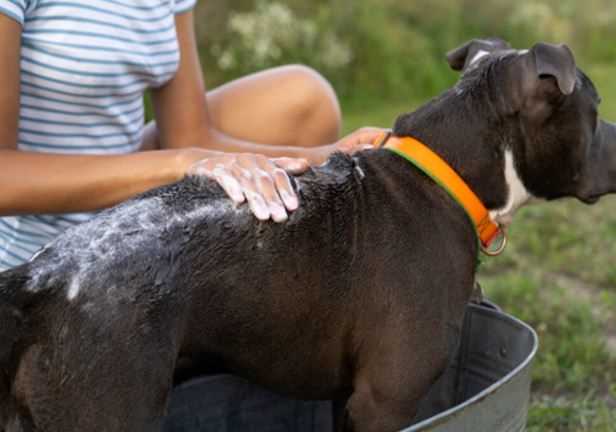
- Regular grooming: Routine brushing and gentle bathing with mild, fragrance-free shampoos help keep allergens off the coat and skin, and also reduce the risk of flare-ups and provide relief to your dog.
- Clean environment: Wash your dog's bedding often, use stainless steel bowls, and reduce indoor dust.
These steps work best when followed regularly and alongside your vet's advice.
Medical Treatment for Atopic Dermatitis
If the itching is getting worse, or the skin is red and inflamed, with open sores, or signs of infection, it's time to move beyond home remedies. At this point, medical support is not just helpful, it's necessary.
● Prescription relief for itching: Anti-itch medications help interrupt the itch-scratch cycle quickly. They bring your dog immediate comfort while reducing inflammation from within.
● Medicated baths or sprays: Specially formulated vet-approved products can fight off bacterial or fungal infections on the skin. These treatments go beyond surface-level relief and help restore the skin barrier.
● Allergy identification tests: When flare-ups keep returning despite your efforts, skin or blood tests can uncover hidden triggers, like dust mites, food proteins, or grass pollen, and guide targeted care.
● Long-term care plans: Dogs with recurring symptoms may need allergy shots (immunotherapy),seasonal medication plans, or simple changes to their living space to limit exposure to allergens.
Should you stick with natural care or go for medical treatment? Here's a simple side-by-side guide to help you decide what's best, according to your dog's needs:
|
Type of Treatment |
What Works Well |
What to Consider |
|
Natural Care |
Gentle on the skin and supports long-term health |
Slower to act and may not stop severe flare-ups |
|
Medical Treatment |
Fast, targeted relief for itching and inflammation |
Needs veterinary supervision; may carry side effects |
When Should You Call the Vet?
While occasional scratching is normal, the following signs are red flags that need prompt attention:
● Scratching or licking that lasts more than 3–5 days.
● Red, scabbed, or bald spots.
● Strong odour from the skin or ears.
● Thickened or darkened skin patches.
● Recurring ear infections or non stop head shaking.
● Low energy, irritability, or loss of appetite.
Getting a vet's opinion early can prevent flare-ups from escalating and make treatment easier for both you and your dog.
Final Thoughts: Awareness Is the First Step to Relief
Skin allergies in dogs don't go away on their own, but they can be managed well with the right balance of awareness, care, and medical support. If you learn to spot the patterns, identify triggers, and commit to a consistent routine, your dog can live itch-free and happy.
Most dogs respond well to a consistent routine that blends everyday care with the proper professional support. From a nourishing diet and regular grooming to targeted medical help when needed, every small step goes a long way in keeping flare-ups under control.
And Mr n Mrs Pet can always help with grooming services and professional vet visits, all from the comfort of your home, whenever needed.