As temperature drops cats grow thicker coats, experience drier skin and often shed more than usual. Without the right grooming care that extra fluff can quickly turn into mats, dandruff, or even skin irritation. Winter grooming isn’t just a seasonal glow up, it’s essential for your cat’s health and happiness.
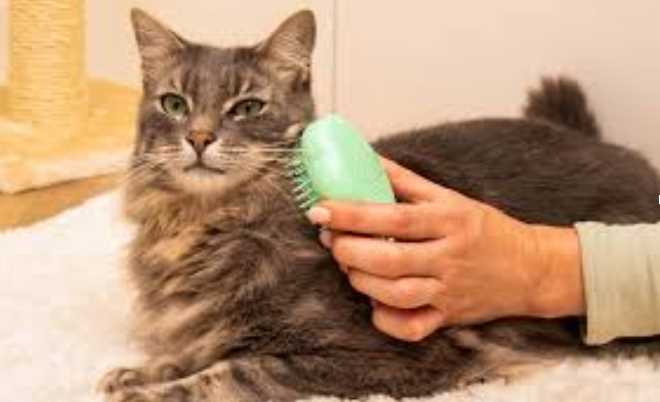
Why Is Winter Grooming So Important for Cats?
1. Your Cat Grows a Thicker Coat in Winter
As temperatures drop, your cat sheds its lighter summer coat and grows a thicker one to stay warm. While this natural process is helpful for insulation, it also means more hair to manage.
- Long-haired cats, in particular, are more prone to matting.
- Mats can trap dirt, bacteria, and moisture, leading to skin infections.
- Regular brushing during winter helps prevent these problems.
If mats are left unchecked, they can become painful and require professional removal.
2. Dry Skin and Dandruff Are Common in Winter
In winter, dry air and indoor heating can dry out your cat's skin, which can cause:
- Flaky dandruff
- Itching and irritation
- Sensitive skin
Regular brushing can help to effectively spread the natural oils throughout your cat's skin and coat. Also consider:
- Adding a humidifier around your home to have some indoor moisture, and/or
- Using a vet-approved moisturising spray or a little coconut oil (with vet approval).
3. Brushing: Remove Loose Fur and Prevent Hairballs in the cat
Winter coats mean more shedding, and more shedding means more loose fur. If not removed, your cat will ingest it while self-grooming, leading to hairballs.
Brushing helps:
- Reduce hairball frequency
- Keep the coat clean and tangle-free
- Stimulate blood circulation for healthier skin.
Keep in mind: Use a slicker brush for long-haired cats and a rubber grooming mitt for short-haired breeds.
4. Avoid Static and Matting from Winter Air
In winter, the air, especially within heated houses, can create a static charge in your cat's coat. Not only is this bothersome to your cat (and to you if you get shocked while you are petting your cat), but it can also cause:
- Matting
- Skin sensitivities
- Coat quality
In order to prevent the build-up of static, it helps to brush your cat regularly and use an anti-static grooming spray or grooming glove, such as the Cat Gläm anti-static brush.
5. Claw Trimming Is Still Important Indoors
Cats may be less active during winter, especially if they spend more time indoors. This inactivity can mean their claws don't wear down naturally.
Regular claw trimming:
- Prevents overgrown nails and splitting
- Reduces damage to your furniture
- Keeps them walking comfortably
Tip: Use a proper cat nail clipper and avoid cutting the quick (the pink part of the nail). Trim only 1 to 2mm away from it.
6. Ear Cleaning Shouldn't Be Skipped
Cats might not roll in mud, but debris, dust, or wax can build up in their ears, especially during winter when indoor air circulation may be poor.
Look out for:
- Excess wax
- Foul odor
- Redness or swelling
- Scratching or head shaking
Clean their ears weekly or bi-weekly with a cotton ball and a vet-approved ear cleaner like lavender hydrosol. Cotton swabs can never be placed into the ear canal of your cat.
7. Bathing in Winter? Only When Necessary
Most cats do not require frequent baths, unlike dogs. They do a fantastic job of grooming themselves, and grooming typically keeps them clean. However, being covered in fur will not protect them from:
- Rolling in mud
- Flea infestations
- Accidental messes (such as a skunk spray)
Winter bathing tips:
- Use warm water and a shampoo that is safe for them.
- Dry them, and keep them warm.
- Dry shampoo or pet wipes are nice alternatives for kittens.
- Never bathe your cat in a cold room in winter, and never leave them wet after a bath.
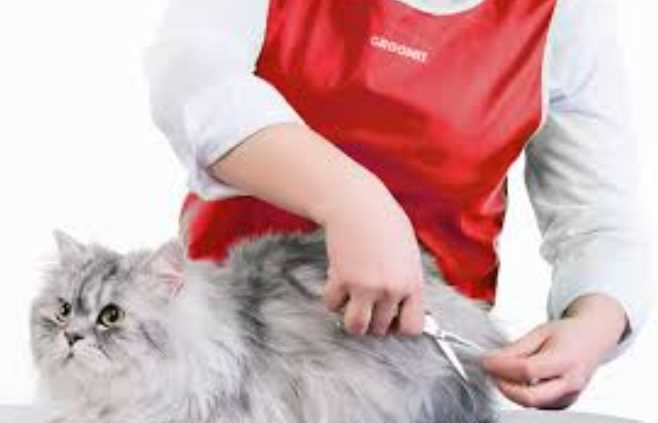
Real-Life Tips
Even the most pet parents can miss a few things during winter. Here's what to do right and what to watch out for to keep your cat comfortable all season long.
- Start slow if your cat isn't used to grooming. Begin with short sessions and reward them with treats or affection to build positive associations.
- Brush after playtime or meals. Cats are more relaxed and tolerant after expending energy or having food. This is a great time to sneak in a grooming session!
- Use the right brush for their coat type. A slicker brush works well for long-haired cats, while a rubber mitt or soft bristle brush is excellent for short-haired breeds.
- Warm your hands or tools first. Cold metal or plastic can be unpleasant on your cat's skin in winter. Rub your hands together or warm tools slightly before starting.
- Check "hidden" areas for mats. Focus on the armpits, belly, behind the ears, and under the tail. These spots often get overlooked and mat quickly in winter.
Winter Grooming Checklist for Cat Owners
Here are some quick winter grooming tips to keep your cat cosy and healthy:
- Brush 2-3 times per week
- Check and clean ears weekly
- Trim claws every 2-4 weeks
- Monitor for dandruff or dry patches
- Use a humidifier indoors
- Bathe only when necessary
- Reward your cat after grooming for a positive experience
Common Mistakes to Avoid while Grooming Cats in Winters
- Skipping grooming just because your cat self-grooms. Even the cleanest cat needs extra help in winter due to a thicker coat and drier air.
- Over-bathing your cat. Too many baths strip the natural oils from their skin, causing more dryness. Only bathe when necessary.
- Using human products on cats. Human shampoos, lotions, or oils can irritate your cat's skin and may even be toxic. Always use vet-approved, cat-specific products.
- Ignoring claws during winter. Indoor cats may move less during colder months, which means their nails don't wear down naturally, leading to overgrowth and discomfort.
- Forcing grooming when your cat is agitated. This can lead to scratching, biting, and long-term grooming aversion. If your cat resists, stop and try again later when they're calm. Don't do anything that your cat doesn't like.
Not all cats require the same level of grooming, so their grooming needs can vary according to age, breed or health status.
Final Thoughts
While your cat is an expert at self-grooming, winter asks for a bit of assistance from you. With the change in coat thickness, skin hydration, and activity levels happening in winter, grooming is not a luxury; it is a must. So embrace the fluff this winter, pick up that brush, and show your cat a bit more love. They may not express it, but they'll feel it.
Grooming in winter doesn't have to become a chore! At Mr n Mrs Pet, we are here to assist you in any way to make every winter season a bit more comfortable for your pet.