Did you know? Cats can burn up to 30% more energy just to stay warm in winter, even when they never step a paw outside!
This increase in energy use means their nutritional needs naturally shift with the season. At Mr n Mrs Pet, we understand that your furry companion's health and happiness are just as important in the colder months as your own. This is why we created this Winter Food Guide for Cats, your comprehensive guide to comprehending why your cat's diet might change during winter, how you can keep their meals nutritious and comforting, and which foods will assist your cat's well-being while the weather turns cool.
Whether you're a seasoned cat parent or new to feline care, this guide will help you keep your kitty warm, well-fed, and wonderfully content all winter long.
Why Do Cats Eat More in Winters?
Cats tend to eat more in winter because,
- Cats burn more calories to maintain body heat.
- In some breeds, reduced activity levels may paradoxically increase hunger.
- Survival instincts kick in, making cats want to store more energy.
- Comfort eating - yes, cats can crave warm, hearty meals too! This could be a preference for warm, freshly cooked food over cold or dry food, or a sudden interest in food they previously ignored.
Even indoor cats experience these changes, so it's essential to adjust feeding habits and food types accordingly.
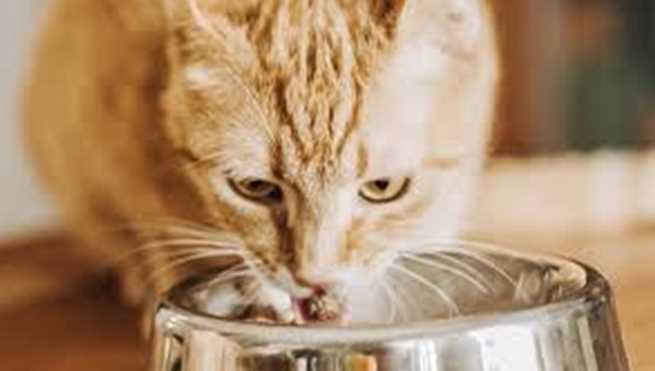
Best Food Choices for Cats in Winter
Feeding more food isn't enough; quality matters just as much as quantity. Here's what you should look for when adjusting your cat's diet for winter:
1. Protein-Rich Foods: The Foundation of Feline Health
Cats are obligate carnivores, which means that their bodies are constructed to excel on animal-based protein. Protein is essential during winter since it:
- provides fuel for body heat,
- preserves muscle mass, and
- assists with immunity
Top Protein Sources:
- Lean meats (ex., chicken, turkey, rabbit)-easy to digest and nutritious
- Fish (ex, salmon, sardines, tuna)-provides omega-3 for skin and coat health (only in small pieces)
- Eggs-cooked only- high in amino acids and nutrients, appropriately packaged to support immunity
- Organ meat (ex., liver, heart, kidneys)-nutrient-dense, so should be a small percentage of the diet.
Note: Don't give chicken to a new kitten first; let them be comfortable in your home environment.
2. Healthy Fats: Energy & Coat Protection
Fats are a source of calories and help keep your cat warm.
Reasons why fats are essential in winter:
- It helps keep your cat's coat shiny and thick.
- It helps prevent dry, itchy skin from home heating.
- It is an energy-dense food.
Good fat Sources:
- Salmon oil,
- Chicken fat,
- Flaxseed oil (to balance omega-3 and omega-6)
Note: Only when your vet advises.
3. Winter-Appropriate Carbohydrates (in Moderation)
While cats don't need carbs like dogs or humans, some digestible, nutrient-rich carbohydrates can give your cat an energy boost in winter.
Recommended options:
- Sweet potato: Rich in fibre, Vitamin A, and easy on the stomach
- Pumpkin: Supports digestion and helps with weight control
- Cooked oats or barley: Offer small amounts; good vitamin B sources.
4. Vitamins and Minerals:
In colder weather with less sunlight, your cat's immune system is affected. So, include these nutrients in their diet:
| Nutrient | Why It's Important | Sources |
|---|
| Vitamin A |
Supports their coat, eyes, and immunity |
Liver, organ meats |
| Vitamin D |
Compensates for less sun |
Egg yolk, fatty fish |
| Vitamin E |
Antioxidant protection |
Animal fat, sunflower oil |
| Zinc |
Boosts skin and immune health |
Meat, fish |
| Calcium and Phosphorus |
b bones and teeth |
Meat with bones, bone broth |
5. Hydration: The Overlooked Winter Need
Cats tend to drink less water in winter, putting them at risk for dehydration and urinary issues.
Hydration strategies:
- Moist food: One meal a day will increase moisture consumption.
- Bone broth or pet-safe soups: This provides both liquid and nutrition.
- Pet fountains: Cats tend to drink more water when running.
6. Homemade Winter Meal Ideas for Cats
Warm meals offer extra comfort and smell better to cats in cold weather. Try these vet-friendly homemade options:
Chicken & Pumpkin Stew
- Shredded boiled chicken
- Canned pumpkin (plain)
- A splash of warm broth
Fish & Rice Bowl
- Steamed salmon or white fish
- Plain rice
- A few drops of salmon oil
Egg & Tuna Scramble
- Scrambled egg (no seasoning)
- Water-packed tuna
- A teaspoon of water for moisture
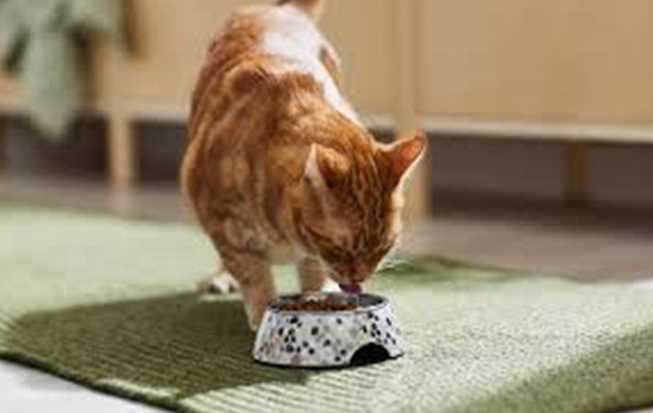
Worming in Cats Due to Food
Cats can become infected with caterpillars through their food. Some foods may carry eggs or larvae of other parasites, especially if not properly cleaned.
Common Food-Related Causes of Worming:
1. Raw or Undercooked Meat
- Meat that hasn't been properly cooked can carry tapeworm or roundworm larvae.
- Cats fed a raw diet are especially at risk if the meat isn't parasite-free.
2. Infected Prey (Mice, Birds, Lizards)
- Hunting cats often eat small animals that act as intermediate hosts for worms.
- These prey animals carry larval stages of tapeworms and roundworms.
3. Contaminated Food or Water
- Food bowls left outdoors or in dirty environments can become contaminated with worm eggs from soil, faeces, or other animals.
- Water shared with other animals or from outdoor sources can also be a risk.
4. Contaminated Food or Water
- Fleas carry tapeworm eggs. Cats grooming near food or after eating may swallow fleas accidentally, starting a worm cycle.
Key Point: Feeding your cat raw meat, letting them hunt, or giving food in unclean areas can all expose them to worms through their diet.
Prevention Tips (Food-Focused):
- Cook all meats before feeding.
- Avoid letting your cat hunt or eat wild prey.
- Keep food and water bowls clean and indoors.
- Use regular flea control to stop tapeworm transmission.
How Much Should You Feed Your Cat in Winter?
Each cat is unique, so feeding amounts vary. Consider factors like age, weight, lifestyle, and activity level.
Here's a general guideline:
- Indoor Cats: 20 calories per pound of body weight per day.
- Outdoor Cats: 25–30 calories per pound per day during winter.
Note: Monitor your cat's weight weekly. If they're gaining too much, cut back a little. If they seem hungry all the time or are losing weight, increase the portion slightly.
Winter Feeding Tips for Cats
Keep your feline feeling their best with these helpful winter feeding strategies:
- Provide several small meals throughout the day: Cats prefer to graze throughout the day, and they will be more comfortable consuming smaller, frequent meals, which will help with energy and warmth.
- Set food bowls in warm, dry spots in the house: You don't want your food bowl to be in a cold and drafty place that will deter your cat from eating.
- Use feeding toys: Use puzzle feeders and slow bowls to stimulate your cat's mind and keep them from becoming bored.
- Ensure clean, fresh water: Even in winter, hydration is crucial. You can also buy a pet water fountain to encourage more drinking.
- Stick to a routine: Cats love consistency. Keep mealtimes and portions regular to reduce stress.
Common Winter Feeding Mistakes to Avoid
- Excessive treat feeding: Extra snacks can contribute to weight gain, which is of concern because cats are naturally less active in the winter. Try using treats and selecting options with healthy ingredients.
- Only using dry food: Dry kibble is void of moisture. Use dry food in combination with wet food to promote hydration.
- Ignoring dental care: Winter weather may lead to your cat avoiding hard kibble, so consider texture options or an alternative dental-friendly wet food.
- Changing food too quickly: Always be aware to introduce new foods over the process of a few days, as a rapid change can lead to an upset tummy.
- Don't provide raw meat, as raw meat doesn't digest easily, so give them cooked meat in small pieces.
Final Thoughts
Winter feeding isn't just about giving your cat more food; it's about giving them the right food:. A warm, protein-rich, and balanced diet can help your feline friend stay energised, hydrated, and healthy all winter long.
Getting your pet to the vet regularly is a crucial way to protect your health and well-being during the winter. Mr n Mrs Pet knows your cat is your family. Through understanding their seasonality needs and making minor, conscientious adjustments to their diet, you're providing them with the best care, regardless of how cold it is outside.