Who doesn't love giving their dog a nice grooming session? It's one of the best ways to show love and care!
Grooming your dog is vital for multiple reasons. Yes, it does make their coat all proper and lustrous, but there's more to grooming than just making your dog look pretty. In this blog, we will walk you through various reasons that make grooming essential. Also, we will inform you on how often you should be grooming your dog. Read on!
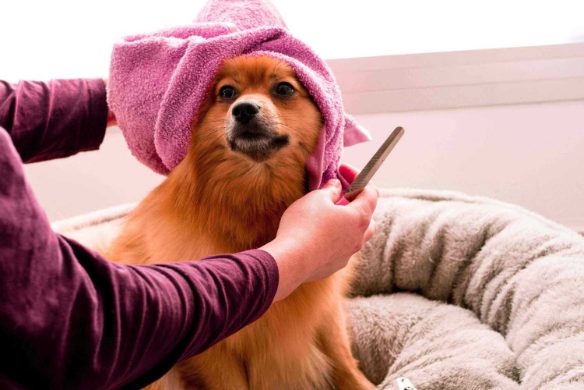
Why Grooming Your Dog is Important:
Regular grooming plays a huge role in maintaining your dog's health and comfort. Here's why every pet parent should make it a part of their dog's routine:
1. Protects Your Dog's Feet
A dog's paws can easily get cracked, coarse, and filled with dirt or germs. Without proper care, they can become red, swollen, and painful due to infections. Regular paw cleaning and moisturising help keep them soft, healthy, and free from bacterial buildup.
2. Reduces Shedding
While shedding can't be stopped completely, regular brushing helps in removal of dead hair and distribute natural oils, reducing excessive shedding and keeping your home clean.
3. Keeps Fleas and Ticks Away
Frequent cleaning and brushing help you spot and prevent flea or tick infestations early. A clean coat is the first step toward keeping your dog itch-free and healthy.
4. Distributes Natural Oils
Brushing stimulates the oil glands in your dog's skin, helping spread these natural oils across the coat. This keeps the fur soft, shiny, and healthy-looking.
5. Helps with Early Detection and Prevention
Grooming gives you the chance to inspect your dog's body closely. For example, if you notice unusual hair growth between paw pads, it may indicate Hyperkeratosis. While not always serious, it can cause discomfort if ignored. Early detection during grooming helps you seek veterinary advice in time.
6. Keeping your Pet Happy and Comfortable
Just like humans, when a dog is neat, and clean, it naturally feels good about itself. It feels comfortable and happy in its skin. Grooming does this precisely.
7. Encourages Positive Behaviour
Each grooming session is a bonding and behavioural exercise. When your dog cooperates and you reward them, it builds trust, patience, and positive associations with the grooming process.
8. Encourages Attachment, Intimacy, and Bonding
This is especially true if you go DIY with the grooming process. You get to know your dog's body, likes, dislikes, temperament, and preferences. You also get to spend some time with your dog during the process. It strengthens your bond and makes your dog feel secure and loved.
How Often Should You Groom Your Dog?
The answer to this is multi-layered. Grooming isn't just brushing your dog's coat; it includes ear, eye, nose, oral, nail, paw, and coat care. Each part needs attention at a different frequency. Here's a complete guide:
| Grooming Activity | Recommended Frequency | Details |
|---|
| Ear Care |
Weekly |
Clean gently using a vet-approved ear cleaner to prevent wax build-up and ear infections. |
| Eye Care |
Twice a month |
Remove tear stains and wipe away dirt buildup around the eyes. |
| Nose Care |
Weekly |
Apply a pet-safe balm to prevent dryness, cracking, and sunburn. |
| Oral Care |
2–3 times per week |
Brush your dog’s teeth or use dental chews to prevent plaque, bad breath, and gum disease. |
| Nail Care |
Every 1–2 months |
Trim nails before they touch the ground. Senior dogs may need trims every week. |
| Paw Care |
Twice a month |
Clean paws, trim fur between pads, and apply balm to prevent dryness or cracking. |
Hair Brushing (by coat type)
| Hairless or minimal-hair breeds |
Every 2 weeks |
Light brushing removes dirt and maintains skin health. |
| Short-haired breeds |
Weekly |
Brushing helps remove loose fur and spread oils. |
| Thick or rough coat breeds |
Every 2 weeks |
Prevents matting and keeps undercoat clean. |
| Curly coat breeds |
Every 2 weeks |
Keeps curls tangle-free and reduces shedding. |
| Long or silky coat breeds |
3–4 times per week |
Prevents tangling, matting, and hair breakage. |
Hair Trimming (by coat type)
| Short-haired breeds |
Once every season (4x a year) |
Minimal trimming needed, mainly for hygiene. |
| Long-haired or double-coated breeds |
Every 3 months |
Keeps fur manageable and reduces matting. |
| Silky or curly coat breeds |
Every 4–6 weeks |
Frequent trimming helps maintain coat shape and cleanliness. |
| Bathing |
Monthly |
Bathe only when needed using a mild, dog-safe shampoo to avoid skin dryness. |
Professional vs. DIY Grooming at Home
If you want convenience and expert care, consider opting for professional grooming services. Professional groomers know how to keep your dog's coat, nails, and hygiene in good shape. This is especially important for breeds that need special handling or trimming techniques.
At Mr n Mrs Pet (MMP), we connect pet parents with certified and trusted dog groomers who know precisely how to pamper your furry friend. From coat brushing and trimming to nail clipping and styling, we give your pet the care it deserves, right from the comfort of your home or at a professional grooming salon near you.
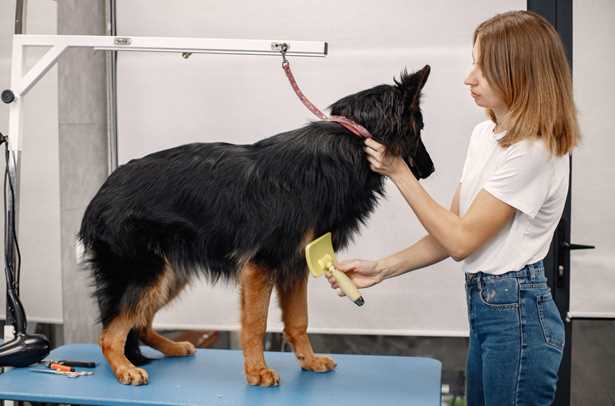
However, if you enjoy spending hands-on time with your pet, DIY grooming can be just as rewarding. With the right tools, gentle handling, and regular care, you can easily make grooming a bonding activity.
Whether you choose professional grooming with Mr n Mrs Pet or prefer DIY sessions at home, consistency is key. Regular grooming keeps your dog clean, comfortable, and looking their best. A healthy coat contributes to a happy pet, ensuring they thrive and wag their tail joyfully.