You are not imagining it if your cat appears to be sleepy in the winter. Many cat parents observe that their animals are curling up more frequently and spending more time in their favourite cosy spots. This is not an indication of boredom or laziness. It's a normal reaction to changing seasons.
A cat's daily routine, use of energy, and temperature regulation are all impacted by winter. You can keep your cat warm, healthy, and content throughout the season by knowing why this occurs.
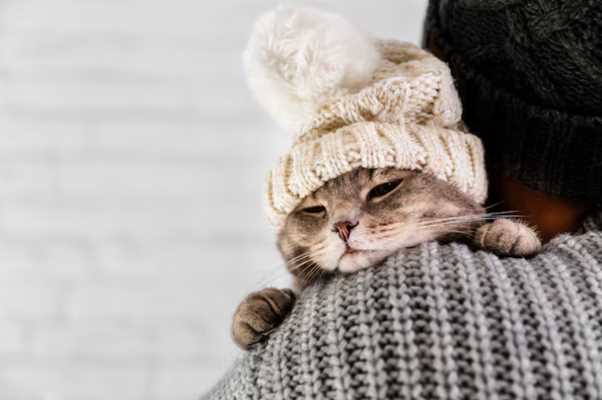
Why Cats Sleep More in Winters
1. Seasonal Temperature Changes Affect Energy Levels
As temperatures drop, your cat's body works a little harder to stay warm. Sleeping longer is one of the simplest ways for them to conserve energy. Just like people feel more like resting under a blanket on chilly days, cats naturally become less active and more inclined to nap. Even indoor cats sense this shift, especially when their surroundings feel cooler.
2. Reduced Daylight Hours Influences Sleep Cycles
Due to their crepuscular nature, cats are most active at dawn and dusk. Shorter daylight hours in winter can disrupt their natural rhythm. With less light, their body produces more melatonin, the hormone that makes them feel sleepy. This leads to longer and more frequent naps. Keeping curtains open during the day can help maintain a healthy sleep-wake pattern.
3. Instinctive Survival Behaviour
Although your cat may live indoors with plenty of food, their instincts still mirror those of its ancestors. In the wild, winter often means less hunting and more resting to preserve energy. Modern house cats carry this same behaviour, sleeping more when it gets colder because their bodies are naturally programmed to adapt to the season.
4. Comfort Seeking and Cosy Spots
Winter brings out your cat's love for warmth. They often choose to curl up in blankets, rest near heaters, or stretch out in sunlit spots. This comfort-seeking behaviour encourages longer naps. Providing a few warm, soft resting areas around your home can make their winter days more enjoyable.
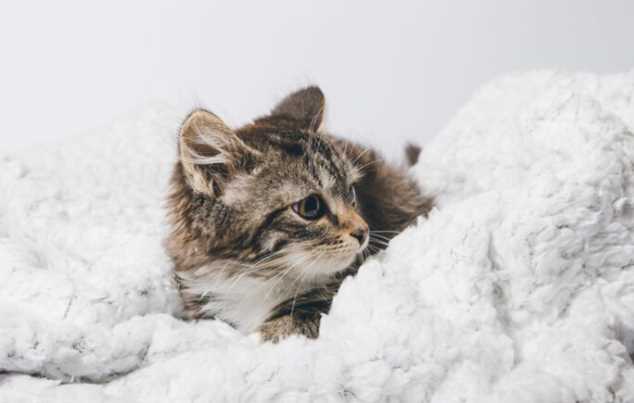
How Much Sleep Is Normal in Winter
On average, cats sleep between 12 and 16 hours a day, and this can rise to around 18 hours during winter, especially for older cats. A little extra rest is generally nothing to worry about if your cat's daily routine and appetite remain stable.
However, pay attention to warning signs such as:
- Unusual or prolonged tiredness
- Avoiding playtime or interaction
- Sudden loss of appetite or reduced food or water intake
- Hiding more often than usual
- Lack of response to familiar sounds or activities
If you notice any of these changes, it may point to an underlying issue rather than seasonal behaviour. A quick visit to consult the vet can help rule out potential health problems and ensure your cat gets the proper care.
How to Support Your Cat's Winter Routine
Supporting your cat’s winter routine helps them stay healthy, comfortable, and happy throughout the winter season. Little changes to their surroundings and daily routine can have a significant impact on how they feel and behave.
Provide Warm and Cosy Sleeping Areas
- Heated beds or soft blankets in quiet corners away from drafts
- Sunlit spots near window during the day for natural warmth
- Multiple cosy options so your cat can choose their preferred napping spot
Encourage Gentle Indoor Play
- Short frequent play sessions to keep energy levels balanced and help working their brains
- Toys like feather wands, laser pointers used safely, and puzzle feeders
- Helps maintain both physical health and mental stimulation
Maintain a Consistent Feeding Schedule
- Regular meal times to support energy and sleep patterns
- Warm meals at room temperature for extra comfort
- Balanced nutrition that helps in keeping them warm to meet seasonal energy needs
Ensure Adequate Light Exposure
- Open curtains or blinds during the day for natural sunlight
- Soft indoor lighting to mimic daylight in darker rooms
- Supports a stable sleep-wake cycle and prevents excessive lethargy
You can make winter more enjoyable for you and your feline companion by combining these easy steps to keep your cat active, comfortable, and healthy throughout the season.
When to Be Concerned About Winter Lethargy
A little extra sleep in winter is perfectly normal, but too much can be a warning sign. If your cat is eating less, refusing to play, hiding frequently, or losing weight, it's best to consult a veterinarian. Sudden changes in sleep patterns may point to an underlying health issue rather than seasonal behaviour. Observing your cat closely during this time helps you act quickly if something seems off.
At Mr n Mrs Pet, we understand that seasonal changes can affect your cat's daily habits. We make winter care easier with grooming and styling services that keep coats soft, clean, and warm.
Our team also provides expert guidance on winter nutrition and routine adjustments to make sure your pet remains healthy through the season. You can book services online and get doorstep grooming and care without hassle.
Cats naturally sleep more in winter. Shorter days, lower temperatures, and instinctive behaviours all play a role in their increased need for rest. This is not something to worry about as long as your cat stays active and healthy during their waking hours.
And when you need expert help, Mr n Mrs Pet is here with trusted services and quality products to keep your pet happy all winter.