Microchipping your dog is one of the safest and smartest ways to protect your pet. Whether your dog gets lost, stolen, or wanders outside, a microchip ensures that your pet can always be identified and reunited with you.
In this guide, you'll learn how microchipping works, the cost, the procedure, registration steps, and why it is essential for every pet parent in India.
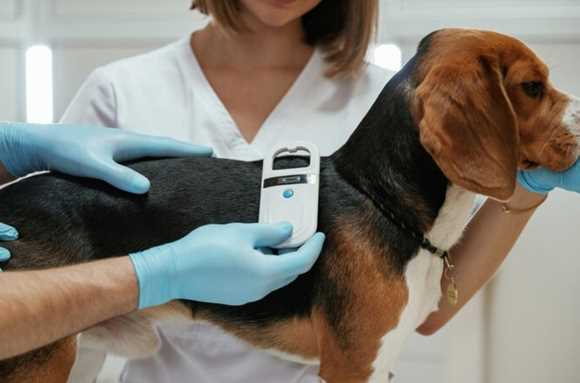
What Is a Microchip for Dogs?
A microchip is a tiny electronic device about the size of a rice grain. It is implanted under your pet's skin and contains a unique ID number linked to your contact details in a secure database.
What information does a microchip contain?
A pet microchip contains a unique 15 Digit Identification Number. This is the only data stored inside the chip, which looks like: 985141002345678
It does NOT store your personal data directly. Instead, it carries a unique ID number that connects to your information in a secure database.
Then, Where Is Your Information Stored?
Your details are stored in a pet microchip database (online registry).
When the chip is scanned:
-
The scanner reads the unique ID.
-
The vet checks that ID in the database.
-
Your name, number, address, and pet information appear in the system.
How Is a Microchip Implanted in Dogs?
Microchipping is a quick and painless medical procedure performed by a vet.
Here's how it works:
1. A vet examines the pet to ensure they are healthy for the procedure.
2. A sterile microchip is loaded into a special applicator.
3. The vet inserts the chip just under the skin between the shoulder blades.
4. The process takes 2-3 seconds and feels like a routine vaccination.
5. The chip is scanned to check its proper functioning.
No anaesthesia, no surgery, and no recovery time required. Your pet can return home immediately.
How Does a Microchip Work?
A microchip does NOT track your pet's real-time location.
Instead:
-
Each microchip has a unique 15-digit identification number.
-
When a scanner is passed over the microchip, it reads the number.
-
The number is linked to your name, phone number, and address in a pet database.
-
If your lost dog is found and scanned by a vet, NGO, animal control team, or shelter, they get your contact details and inform you.
It's a permanent, lifetime ID for your pet.
Importance of Microchipping Your Pet
Microchipping is essential for every dog parent. Here's why:
-
Helps Reunite Lost Pets Faster: Most of the lost dogs that are microchipped are reunited with their owners, because the chip provides accurate identification.
-
Proof of Ownership: In case of disputes or theft, a microchip acts as legal proof that the pet belongs to you.
-
Required for International Travel: Most countries require dogs to be microchipped before issuing a pet passport or travel certificate.
-
Works Even If Collars Are Lost: Tags or collars can fall off, but microchips stay inside the body permanently.
-
Enhances Safety & Medical Records: Vets can register microchips with medical notes, vaccination history, and more.
Cost of Microchipping a Dog in India
Microchipping prices vary across cities and clinics. The approximate range is ₹800-₹2,500.
Where to Get Your Pet Microchipped in India
You can get your dog microchipped at:
-
Veterinary clinics & hospitals: Most certified vets offer quick microchipping appointments.
-
Pet grooming & boarding centres: Some premium pet hostels also help arrange vet microchipping.
-
Animal NGOs & shelters: Many NGOs conduct microchipping drives at affordable prices.
-
Pet relocation companies: If you're planning domestic or international travel, relocation agencies handle microchipping as part of the process.
How to Register After Microchipping a Pet
Microchipping is only effective when the chip is registered correctly.
Here's what to do after the vet implants the chip:
1. Get the microchip number from the vet.
2. Register the number on:
-
Official databases (depending on country or travel requirement)
-
Your vet's system
-
International registries (if travelling abroad)
3. Information you are required to upload:
-
Owner's name
-
Phone number
-
Alternate phone number
-
Email address
-
Home address
-
Pet's name
-
Breed
-
Age
-
Colour/identifying marks
-
Vaccination details (optional)
-
Vet’s name (optional)
4. Keep your contact details updated in the database.
5. Ask for your microchip certificate for future reference.
If your contact number changes, always update your microchip profile; this is how shelters and vets reach you.
When Should You Microchip Your Dog?
You can microchip a dog at any age. Most vets recommend doing it:
-
At 6-8 weeks
-
During vaccination visits
-
Before adoption
-
Before travel
-
After relocating to a new city/country
Is Microchipping Safe?
Yes. Microchipping is 100% safe and approved by veterinary organisations worldwide. Side effects are extremely rare and limited to minor swelling at the injection site.
Do Microchips Need Replacement or Charging?
No. Microchips do not expire, require no battery, and last a lifetime.
Want to microchip your dog or kitten?
Mr n Mrs Pet connect you with trusted vets and certified microchipping services across India.
Book an appointment today with MMP's verified experts.