A typical parent tendency is that you have to share everything you eat with your baby, regardless of whether that baby is a pet or a human. But being a responsible pet parent, you also understand that your doggo baby doesn't have the same metabolism as humans, so it's clear that you just can't feed everything you eat to your fur baby, but there are still some foods/fruits you can feed your pet. All you have to do is pick the right ones and offer them in moderation.
Many fruits are packed with vitamins, antioxidants, and hydration benefits. But not all fruits are safe for dogs, and some can even be toxic.
This guide breaks down every fruit your dog can safely enjoy, how much to feed, and essential safety tips every pet parent should know.

Why Give Fruits to Dogs?
Fruits can be a healthy treat because they offer:
-
Natural vitamins & minerals
-
High water content for hydration
-
Antioxidants for immunity
-
Fibre for digestion
But remember, fruits should make up less than 10% of your dog's daily diet. Too much can cause stomach upset or weight gain.
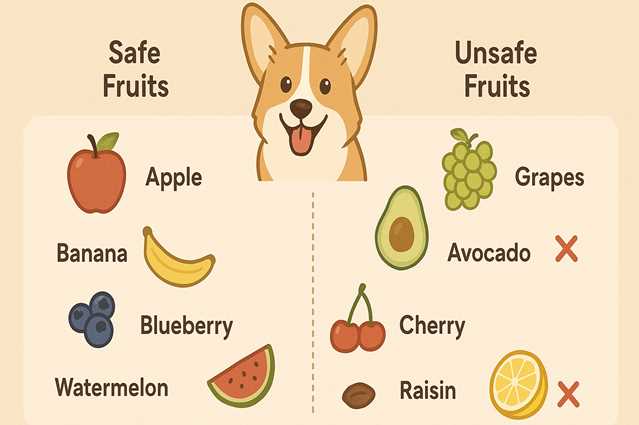
Fruits Dogs Can Eat Safely
Below is the complete list of dog-safe fruits, with preparation tips and benefits.
Apples
Benefits: Vitamin A, C, fibre, low-calorie snack
How to serve: Remove the seeds & core- give small slices
Why safe: Great crunchy treat for most dogs
Bananas
Benefits: Potassium, fibre, easy-to-digest
Note: High in natural sugars, feed occasionally
Best for: Dogs who need a soft treat
Blueberries
Benefits: Antioxidants, fibres, low-calorie
Why safe: Perfect, tiny, bite-sized superfood
Strawberries
Benefits: Vitamin C, antioxidants
Note: High sugar, offer a few pieces only
Bonus: May help whiten teeth naturally
Watermelon
Benefits: Extremely hydrating
How to serve: Remove seeds + hard rind
Best for: Hot summer days
Mango
Benefits: Vitamins A, B6, C, E
How to serve: Peel and remove the pit
Note: Very sweet, so small cubes are enough
Pineapple
Benefits: Vitamins & natural enzyme bromelain
How to serve: Remove skin + core, feed soft inner chunks
Note: Too much can cause acidity, go slow
Pears
Benefits: fibre and vitamin C
How to serve: Remove seeds & core (seeds contain small amounts of cyanide)
Cantaloupe (Muskmelon)
Benefits: Hydration + beta-carotene
How to serve: Without rind, cut into small cubes
Raspberries
Benefits: Antioxidants and fibre
Limit: Up to 2-3 pieces for small dogs
Note: Contains natural xylitol in tiny amounts
Blackberries
Benefits: fibre and manganese
How to serve: Fresh, washed berries only
Cranberries
Benefits: Urinary tract health
Note: Sour, many dogs might not enjoy
Avoid: Sugary cranberry juices or dried cranberry mixes
Kiwi
Benefits: Vitamin C, fibre
How to serve: Remove skin; give small slices
Note: fibre-rich, too much may cause loose stools
Papaya
Benefits: Good for digestion
How to serve: Remove seeds (not safe), give soft pieces
Peaches (Fresh Only)
Benefits: Vitamins A & C
How to serve: Remove the pit completely
Avoid: Canned peaches usually contain syrup
Plums (Without Pit)
Benefits: Rich in antioxidants
Important: The pit is a dangerous, toxic & choking hazard
Fruits Dogs Should Never Eat
-
Grapes & Raisins: Highly toxic, can cause kidney failure
-
Avocado: Contains persin (toxic)
-
Cherries (pits, stems, leaves): Cyanide compounds
-
Grapefruit & Limes: Too acidic, can irritate the stomach
Keeping these in mind helps avoid accidental poisoning.
How Much Fruit Can Dogs Eat?
Follow the 10% treat rule: Treats (including fruits) should be less than 10% of daily calories.
Serving size examples:
-
Small dog (5-10 kg): 1-2 small pieces
-
Medium dog (10-20 kg): 3-4 small pieces
-
Large dog (20-35+ kg): A handful of pieces
How to Introduce Fruits to Your Dog
-
Offer one new fruit at a time
-
Start with a tiny piece
-
Watch for symptoms like vomiting, diarrhoea, and itching
Fruits can be a fun, colourful addition to your dog's diet, as long as you choose safe options like apples, bananas, berries, mango, melon, and pears.
Avoid toxic fruits like grapes or cherries, and always remove seeds and pits.
Your pet depends on you; make every meal the right one. Let Mr n Mrs Pet nutritionists create a diet plan tailored to your pet's safety and health.