Every pet parent believes their furry little companion is living their best life. They give you tail wag, purrs, being playful, so… that must be happiness, right?
Well, not always. Pets communicate far more quietly than we think, and some "cute" behaviours can actually be subtle signs that something's off. Here are a few things most pet parents miss:
1. The Slow Tail Wag Isn't Always Joy
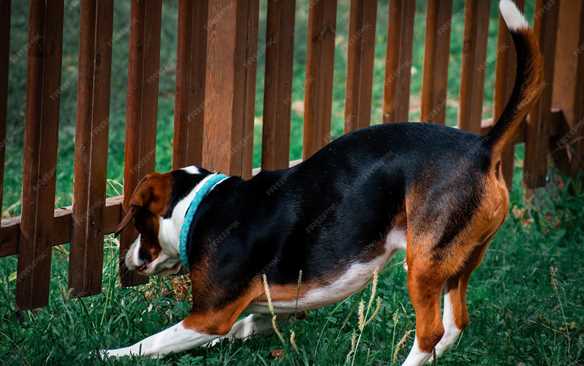
- A fast, loose wag = excitement.
- A slow wag held high = "I'm not sure about this."
- A stiff wag = stress.
Most parents read all of them as happiness, but tail language is basically a whole personality test.
2. Cats Don't Purr Only When They're Happy
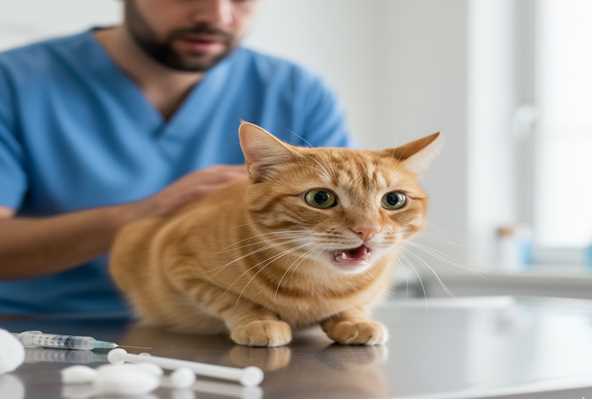
Fun fact: cats also purr when they're nervous, injured, or trying to calm themselves.
So yes, that cute purring on the vet table moment? Not a sign of joy; it's actually her coping mechanism.
3. Over-Cuddling Can Be a Red Flag
We love it when pets become extra clingy.
But sudden clinginess can also mean:
- Anxiety
- Boredom
- Feeling unwell
- Lack of stimulation
It's cute, but it might be a silent SOS.
4. Zoomies Aren't Always Fun Chaos

Zoomies are adorable, but if your dog gets them too often, especially indoors, it might actually be:
- Pent-up energy
- Lack of physical activity
- Mental under-stimulation
Happy pets play. Under-exercised pets explode.
5. The "Guilty Look" Isn't Guilt At All

Your dog isn't feeling bad; he's reacting to your tone and body language. Research shows dogs make the "guilty face" even when they didn't do anything wrong.
They're reading you… not their moral compass.
6. A Quiet Pet Isn't Always a Calm Pet
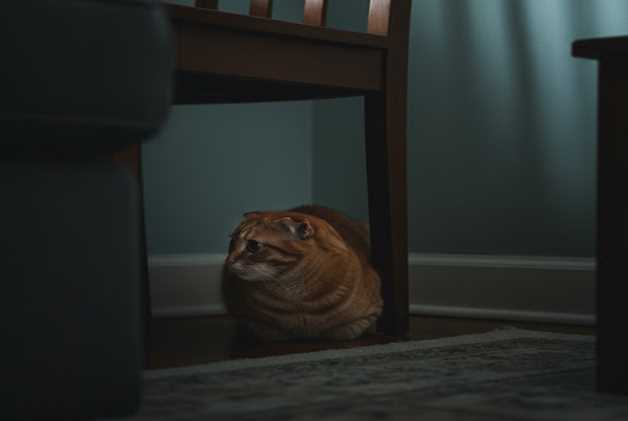
Silence sometimes means:
- Stress
- Fear
- Discomfort
- Lack of confidence
Many pets shut down instead of acting out, and we mistake it for good behaviour.
The REAL Sign of a Happy Pet?
Consistency. A pet that eats well, sleeps well, plays willingly, and behaves predictably is usually content.
Happiness isn't one moment; it's a pattern.
Let Mr n Mrs Pet Help You.
We at Mr n Mrs Pet have pet experts that can help you understand your pet's behaviour and needs so that you can support them better and strengthen your bond.