Potty training might not be the most exciting part of bringing home a new puppy, but it’s one of the most important. Whether you're a first-time pet parent or welcoming another furry companion, teaching your pup where and where not to go sets the foundation for a clean, stress-free home.
Without early potty training, those adorable zoomies might be followed by not-so-cute surprises, on the carpet, the couch, or even your lap! Experts agree: house training should be one of the first things you focus on, as habits formed early are much easier to maintain than ones corrected later.
The good news? Potty training doesn’t have to feel like an uphill battle. With the right techniques, a bit of structure, and a whole lot of patience, your puppy will be house-trained before you know it.
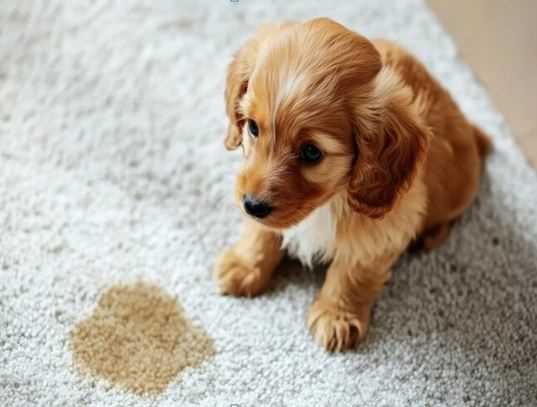
Here's your step-by-step guide to potty training your puppy like a pro:
When Should You Start Potty Training a Puppy?
The ideal time to start potty training is around 8 to 12 weeks of age. At this stage, puppies begin to develop the physical ability to hold their bladder and bowels for short periods. The earlier you start, the fewer bad habits they pick up.
Whenever you start house-training your puppy, remember that House-training a puppy takes patience, consistency, and time. Even with the best efforts, your pup will need time to fully learn and remember the routine - so expect a few accidents along the way. Messes are part of the process, but with persistence and love, you’ll both get there together.
Best Way to Housebreak a Puppy
Set a proper schedule
Puppies thrive on schedules. Let them know when and where to do their business. Set a schedule for meals, playtime, naps, and bathroom breaks as soon as possible to avoid any confusion. Start by setting a time for their meals, then establish a puppy training schedule.
Take your dog out:
- First thing in the morning
- After meals or naps
- After play sessions and
- Before bedtime
Choose a Bathroom Spot
Decide on Indoor vs Outdoor Potty Training. When you do, choose a specific spot where your pups can relieve themselves and always take them to the same place to avoid changing it frequently, as this can create confusion for both of you.
While pee pads may work for some, outdoor potty training is generally more consistent. If you start indoors, transition carefully to avoid hesitation later on.
Use a Specific Word
This is a really important part of potty training when your puppy is ready to Answer nature's call. Use a specific word, like "go potty" or "bathroom break," to create a clear cue they can associate with the action, making it easier for them to understand what's expected.
Over time, your pup will learn to associate that phrase with the right time and place to do their business. It not only speeds up the training process but also makes things a lot easier when you're in new environments or on a schedule.
Reward or Praise When Done
Remember to Immediately reward or praise your puppy when they do it correctly. Even a little playtime afterwards can help them associate bathroom sessions with positive feedback, making them more likely to do it again. Just make sure the praise comes right after they're done, not minutes later. However, also ensure that they're done with their business, as puppies can get distracted easily and might not finish before they go in.
Look Outfor Signs
Your pups show some obvious signs like circling, sniffing around and scratching on doors to tell you that they need to go out. So when you're away from their bathroom spot, look out for these signs to avoid accidents.
Puppy Training Tricks
Crate Training
Dogs avoid taking a dump in the places they sleep. When you're away from them, you can confine them in a small space or a crate where they have the space just to sit, sleep and turn around. This can be a valuable tool for house training your puppy to improve their bladder control and prevent minor accidents.
Bell Training
Hang a small bell near the door your puppy uses to go outside. Gently guide their paw or nose to ring it right before you take them out for a potty break. With repetition, they'll start to connect ringing the bell withgoing outside to do their business. Eventually, your pup will learn to ring the bell on its own whenever nature calls- no barking, no scratching, just a polite little jingle.
Use a Target Pad (for Indoors)
For apartment dwellers, training with a grass pad or pee pad in one corner can help puppies who don't have immediate outdoor access. Just make sure it's always in the same place.
Leash Potty Routine
Take your puppy to the same potty spot on a leash every time. This helps them focus on the task instead of getting distracted and builds an intense routine linked to that area.
These tricks can help make you and your puppy's work easier!
Mistakes to Avoid While Potty Training Puppies
Even with the best intentions, certain mistakes can slow down your dog’s progress or harm your bond- Here are the key things you should avoid while training your puppy:
Punishing Accidents
Yelling, scolding, or rubbing your puppy's nose in a mess doesn't teach them what to do; it just scares them. They won't understand why you're upset and may start hiding when they need to go, which will only make things worse. Stick to calm redirection and positive reinforcement instead.
Skipping Routine
Puppies thrive on structure. If you're not sticking to a regular feeding and potty schedule, it becomes harder for them to learn when and where to use the bathroom. Irregular routines lead to more accidents and confusion, especially in the early training stages.
Expecting Too Much Too Soon
It takes time for a puppy to learn how to control their bladder and understand what's expected. Don't assume they'll be fully trained in a week. Be patient - they're still figuring things out, and every pup learns at its own pace.
Leaving Them Unsupervised Too Long Indoors
When left alone for extended periods without guidance, puppies are more likely to have accidents simply because they don't know any better. Keeping an eye on them, especially after meals or naps, helps you catch the signs before it's too late.
Need Help with potty training your puppy?
Stuck or not sure where to begin? Mrn Mrs Pet is here to simplify puppy parenting. From personalized training programs to help you find certified trainers who know puppy behaviour and obedience, we've got it all to help your dog thrive- from their very first potty break to flawless recall.
Potty training is a process, not a one-day event. Celebrate the little victories, remain calm through the messes, and don't be afraid to ask for Help. With love, structure, and a smidge of patience- you and your pup will get there.