Crate training is one of the most useful skills you can share with your pet when approached calmly and thoughtfully. Some people worry it's about restricting freedom, but the real goal is to give your pet their own cosy spot that feels safe, secure, and entirely their own.
This guide will show you, step by step, how to crate train your pet and help you build comfort, routine, and trust together.
What is a Crate?
A crate is a secure, enclosed space designed specifically for pets, most commonly dogs and cats. It looks similar to a small kennel or carrier and is sized so your pet can stand, turn around, and lie down comfortably.
What Is Crate Training?
Crate training means teaching your pet to feel calm and comfortable inside a crate. The crate acts like a personal den—a quiet spot where your pet can go to rest, sleep, or feel safe if things get too busy.
Crate training is commonly used to support:
Toilet training
Safe alone time
Travel and vet visits
Recovery after medical procedures
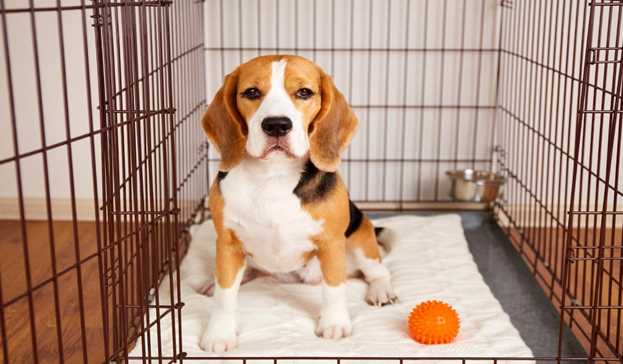
When used the right way, a crate should feel like your pet's choice, not something that limits them.
Benefits of Crate Training Your Pet
Crate training isn't just practical—it's a gentle way to support your pet's emotional well-being too. A little structure and a lot of patience go a long way toward helping your furry friend feel right at home.
It gives your pet a defined personal space
Helps establish daily routines and structure
Makes travel and vet visits less stressful
Prevents destructive behaviour when unsupervised
Supports house training, especially for puppies
Helps pets adjust more easily to travel by making crates feel familiar and safe
For many pets, the crate turns into a comfortable spot they like, not something they want to avoid.
Choosing the Right Crate
Picking the right crate is important for successful training.
You should always make sure that the crate is:
Large enough for your pet to stand, turn, and lie down comfortably
Have proper ventilation
Feel secure without being cramped
Common crate types include:
Wire crates - good airflow and visibility
Plastic crates - enclosed and den-like, often preferred for travel
Soft-sided crates - suitable only for calm, crate-trained pets
Put the crate in a quiet part of your home where your pet can still see people. Avoid placing it somewhere too noisy or completely alone.
Preparing the Crate for Training
Before you start training, make the crate a welcoming place.
Add soft bedding or a mat
Place a familiar blanket or item with your scent
Keep the crate door open initially
Avoid forcing or putting your pet inside suddenly
Let your pet check out the crate at their own pace.
Step-by-Step Guide to Crate Training
Step 1: Introduce the Crate Gently
Let your pet sniff and explore the crate as much as they want. You can toss treats near or inside the crate, but keep the door open. Let your pet's curiosity guide them.
Step 2: Build Positive Associations
Give treats and praise them with a smile and pats when your pet is calm. The crate should always be a place for good experiences and positive reinforcement.
Step 3: Start Short Door Closures
When your pet is happy and comfortable to go inside, try closing the door for a few seconds while you stay close. Open the door before your pet gets upset, to associate the crate with a safe space.
Step 4: Increase Time and Distance Gradually
Slowly increase how long the crate door stays closed. Gradually leave the crate door closed for longer periods. Start by stepping away for a short time, then come back calmly. Take your time and build up over several days.
When your pet feels relaxed in the crate, use it for short naps or at bedtime. Try to keep things calm and stick to a regular routine.
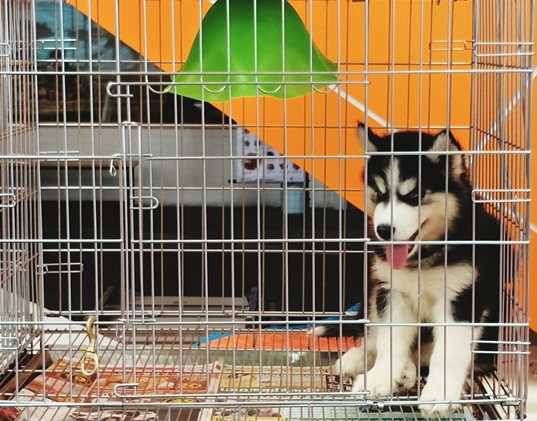
How Long Is Too Long in a Crate?
Crates should not be used to keep your pet confined for long periods.
General guidelines:
Puppies: 1-2 hours at a time (depending on age)
Adult dogs: 3-4 hours occasionally
Senior pets: Shorter durations with frequent breaks
Make sure your pet gets plenty of exercise, playtime, and time with you outside the crate.
Common Crate Training Mistakes to Avoid
Using the crate as punishment
Rushing the process
Forcing your pet inside
Leaving your pet crated for too long
Ignoring signs of anxiety or distress
Crate Training Cats and Small Pets
For cats and small pets, crate training is not usually needed every day. It’s only needed in certain situations like vet visits, travel purposes and temporary confinement during recovery.
Keep crate sessions short & calm, and use treats or familiar bedding to help your pet feel comfortable. Most cats and small pets don't use crates as regular resting spots like dogs do.
When Crate Training May Not Be Suitable
Crate training may not work if your pet:
Has severe separation anxiety
Shows panic responses inside enclosed spaces
Has medical conditions requiring free movement
In such cases, professional guidance is recommended.
How Mr n Mrs Pet Can Support Crate Training
Crate training can seem challenging, especially if your pet feels anxious or unsure. Mr n Mrs Pet supports you at every stage of the process. We help you choose the right crate based on your pet's age, size, and personality, and guide you on how to introduce it gently and positively.
Our professional trainers work with you and your pet to build crate acceptance, reduce anxiety, and create a routine that actually works for your lifestyle. Whether you're crate training for daily comfort, upcoming travel, or post-recovery care, our structured training plans help your pet settle in with confidence. If you're unsure where to begin, getting the proper guidance early can make crate training smoother and stress-free for both you and your pet.
Training is a gradual journey for you and your pet. Take it slow, keep things positive, and always celebrate the little wins with praise. When you make the crate a positive place, your pet will naturally choose it. Going at their pace helps them feel safe, builds healthy routines, and supports their emotional well-being.