Pet parents often ask one common question: "How old is my pet in human years?"
While many still believe that one pet year equals seven human years, this method is outdated and inaccurate. Dogs and cats age much faster in their early years, and their ageing rate changes as they grow older.
Understanding your pet's age in human years helps you provide the proper nutrition, exercise, grooming, and healthcare at every life stage.
Why the "7-Year Rule" Is Incorrect
Pets do not age at a constant pace like humans. Puppies and kittens mature rapidly within their first year, reaching physical and emotional maturity much earlier than human children.
Veterinary research shows that a pet's early years account for a significant portion of their ageing process. After that, factors such as breed size, weight, and lifestyle play an important role, especially for dogs.
Dog Age to Human Years: Accurate Calculation
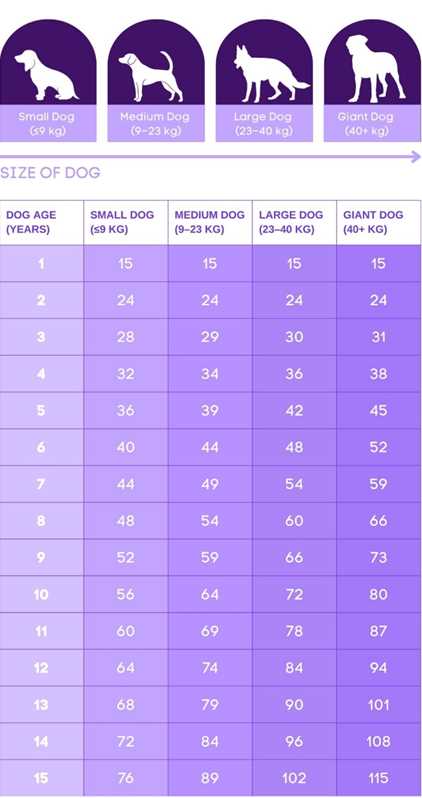
Dogs age differently depending on their size. However, the first two years follow a similar pattern across all breeds.
A 1-year-old dog is approximately 15 human years old.
By the age of 2 years, a dog is roughly 24 human years old.
After the second year, ageing depends on the dog's size:
-
Small dogs (up to 9 kg) age about four human years for every dog year
-
Medium dogs (9-23 kg) age about five human years per dog year
-
Large dogs (23-40 kg) age about six human years per dog year
-
Giant breeds (40+ kilograms) age about seven human years per dog year
This explains why larger dog breeds tend to age faster and have shorter lifespans than smaller breeds.
Cat Age to Human Years: Correct Conversion
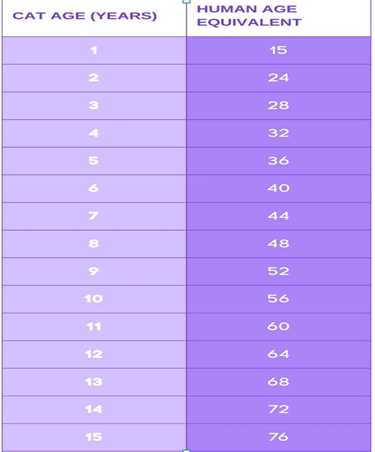
Cats also age quickly when they're young, but their ageing slows down as they get older.
A one-year-old cat is about the same as a 15-year-old person.
When a cat turns two, that's like being 24 in human years.
After that, cats age more steadily, at about four human years for each cat year. Indoor cats usually age more slowly than outdoor cats because they face fewer health risks.
Why Knowing Your Pet's Human Age Matters
Knowing your pet's age in human years isn't just interesting; it helps you make better choices about:
-
Appropriate diet and nutrition
-
Exercise and activity levels
-
Grooming frequency and comfort
-
Preventive veterinary care and senior health screenings
A large dog at seven years old might already be a senior, but a small dog the same age could still be middle-aged. If you treat them the same, it could cause health problems later on.
Contact Mr n Mrs Pet nutritionist for a customised diet plan for your pet.
Final Thoughts
Pets don't age in a straight line, so the old age-multiplication rule doesn't work anymore. A good age calculator helps you know your pet's life stage and give them care that keeps them healthy and happy for longer.
No matter if your pet is young and playful or calm and older, knowing their age in human years helps you give them the proper care at the right time.