Dogs communicate with us constantly, not through words, but through body language, sounds, and everyday habits. The key is paying attention. Once you learn to recognise patterns, you'll realise your dog "tells" you important things long before a problem becomes serious.
Know what your pet is saying to you
1. Eye Contact and Long, Intense Staring

What it means: Asking for food, play, or interaction, feeling concerned or alert, trying to understand you
How to respond: Check for their daily routine- food, walk, water, bathroom break. If staring is paired with panting or pacing, assess for discomfort.
2. Pawing or Nudging You
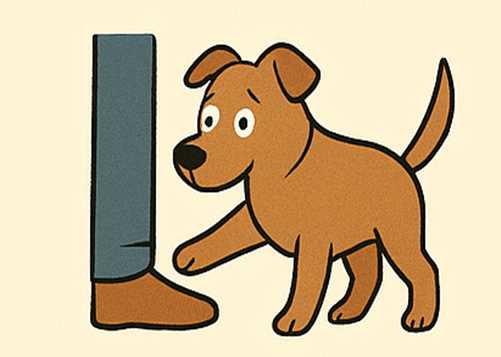
What it means: Want attention, physical discomfort (itch, debris, pain), directing you to something (a spot, object, or issue)
How to respond: Check the nudged area, inspect for injury or debris, and if all seems normal, try gentle interaction or play to understand the need.
3. Repeated Vocalisation (Whining, Barking, Yelping)
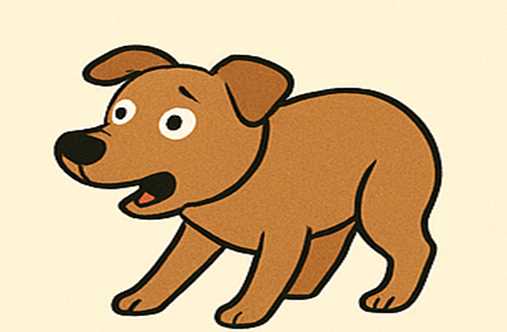
What it means: Urgent need to go out, hunger, thirst, pain or stress, alerting you to something unusual
How to respond: Address basic needs first. Then inspect for injuries or environmental issues. If vocalisation continues without explanation, get a veterinary opinion.
4. Pacing, Circling, or General Restlessness

What it means: Physical discomfort, anxiety or overstimulation, and cognitive decline in older dogs
How to respond: Provide a calm space, check for injury or heat stress. If this behaviour is new or sudden, consult a vet.
5. Freezing or Focused, Alert Posture
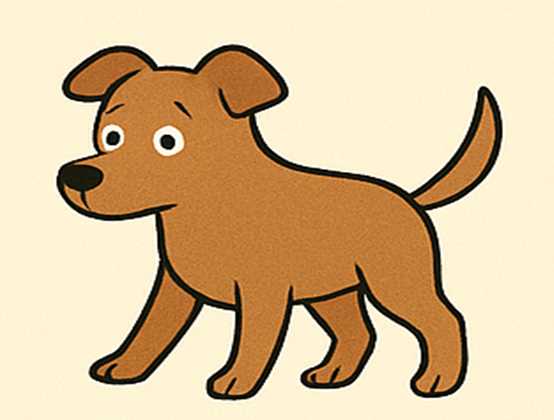
What it means: Detection of an unusual sound, smell, or presence, a potential threat in the environment
How to respond: Scan surroundings. If your dog is reacting to a specific location or object, investigate cautiously.
6. Bringing You an Object
What it means: Inviting you to play, learned fetch behaviour, drawing attention to something (toy, item, or location)
How to respond: Engage briefly or inspect the item/location your dog is insisting on.
7. Repeated Scratching or Licking One Spot
What it means: Allergy, irritation, infection, or pain
How to respond: Check the spot for redness, swelling, fleas, or hot spots. If persistent, schedule a vet visit.
8. Sudden Behavioural Change
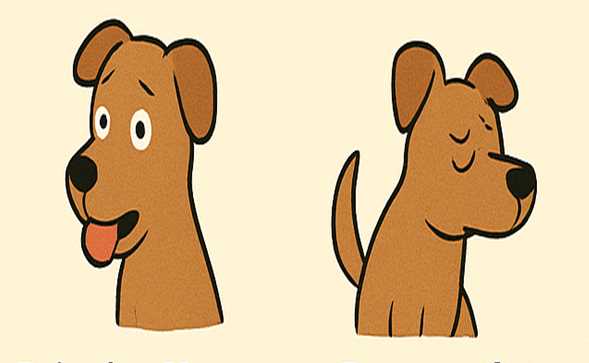
What it means: Significant pain or illness, neurological issues, emotional distress
How to respond: Any abrupt and unexplained shift, aggression, hiding, or no appetite. It should be treated seriously. Prioritise veterinary assessment.
Your dog is always communicating sometimes loudly, sometimes quietly, but always with intention. The more you understand these signs, the stronger your bond becomes and the sooner you can act before a small concern turns into something serious. Paying attention today can prevent a health or behaviour issue tomorrow.
Remember: awareness is the biggest gift you can give your pet.
Want to understand your dog better every day?
Reach out to Mr n Mrs Pet for expert tips, pet-care guides, and behaviour insights that help you become the pet parent your dog thinks you already are.