Dogs may be covered in fur, but that doesn’t make them winter-proof.
Just like us, they can lose body heat fast, and what starts as a playful romp in the winter can quickly turn into a life-threatening drop in temperature. Do you know how to tell when your dog is too cold? Or what to do if frostbite or hypothermia sets in?
Let’s uncover the hidden risks of winter and how to protect your furry friend from hypothermia and frostbite.
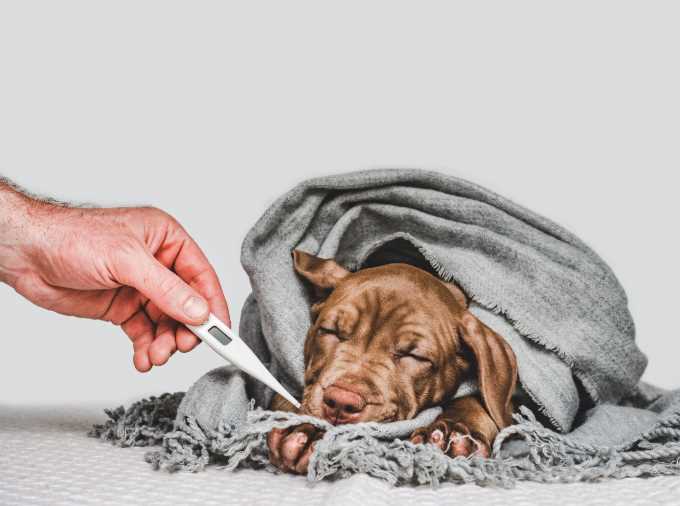
Why Cold Weather Is a Risk for Dogs
You might think that your dog's fur provides all the protection they need in winter, but that's not always the case. While breeds like Huskies, Malamutes, and Saint Bernards are better equipped for the cold, many dogs have short coats, thin body fat, or health issues that make them more susceptible.
Key factors that affect a dog's cold tolerance include:
- Breed and coat type
- Age (puppies and seniors are more vulnerable)
- Size and body fat
- Health conditions (e.g., arthritis, heart issues)
- Length of time spent outdoors
- Wind chill, wet fur, and snow exposure
Larger dogs even start to feel cold when the temperature drops below 20 degrees, which increases the risk of hypothermia and frostbite significantly.
What Is Hypothermia in Dogs?
Hypothermia happens when a dog's body temperature drops below its normal range (101°F and 102.5°F). It can occur because of prolonged exposure to cold, especially if the dog is wet or inactive.
Causes of Hypothermia in Dogs
- Long walks in freezing temperatures
- Wet fur from rain, snow, or swimming
- Thin-coated breeds spending too much time outdoors
- Small dogs lose heat quickly.
- Inadequate shelter for outdoor pets
Signs and symptoms of hypothermia in dogs
Watch for these early symptoms of hypothermia in dogs:
Mild Hypothermia Symptoms (99–101°F):
- Shivering
- Cold ears and paws
- Lethargy
- Whining or anxiety
Moderate Hypothermia Symptoms (95–99°F):
- Sluggishness or confusion
- Stiff muscles
- Pale gums
- Shallow breathing
Severe Hypothermia Symptoms (<95°F):
- Weak pulse
- Stiffness in the muscles
- Feeling unconsciousness
If you notice the signs of hypothermia in a dog, it is essential to act quickly and decisively. The immediacy makes sure that you don't think too long about taking action, and could save your pet's life.
How to Treat Hypothermia in Dogs
- Bring your dog inside immediately to a warm, dry environment.
- Wrap them in warm blankets or towels, focusing on the chest and abdomen.
- Use warm water bottles (wrapped in cloth) near their body, but avoid direct contact to prevent burns.
- Turn on a space heater or use a heating pad on the lowest setting (monitor closely).
- Call your veterinarian right away, especially for moderate or severe symptoms.
- Avoid hot baths or rapid heating, which can shock their system.
- If your dog becomes unresponsive or isn't warming up, seek emergency veterinary care without delay.
What Is Frostbite in Dogs?
Frostbite occurs when skin and tissue freeze due to prolonged exposure to extreme cold. It most commonly affects a dog's ears, tail, nose, and paw, areas where fur is thin or absent.
Frostbite is often paired with hypothermia, as reduced blood flow to extremities is the body's way of protecting vital organs.
Signs of Frostbite in Dogs
Early and advanced symptoms of Frostbite in Dogs include:
- Pale, grey, or blue skin in affected areas
- Cold or hard skin
- Swelling or blisters
- Pain or sensitivity when touched
- Blackened skin (indicates tissue death)
It can be hard to detect frostbite right away; symptoms might take hours to appear. Always check your dog's paws and ears after outdoor time in cold weather.
How to Treat Frostbite in Dogs
- Move your dog indoors and gently dry any wet fur.
- Warm the affected areas slowly using warm (not hot) water or compresses.
- Do NOT rub or massage the frostbitten area; this can cause more damage.
- Wrap in soft towels and keep your dog calm.
- Call your veterinarian. Frostbite often requires pain relief or antibiotics.
How to Protect Your Dog from Hypothermia and Frostbite in Dogs
Prevention is the key. Follow these cold-weather safety tips to keep your dog safe and warm all winter long:
1. KEEP THEM INSIDE
- Keep their walks shorter in freezing temperatures.
- Let dogs out for bathroom breaks only when necessary.
- Monitor your dog closely if they're shivering or lifting their paws, then immediately take the required precautions.
2. Use Proper Winter Gear
- Invest in dog coats or sweaters, especially for small or short-haired breeds.
- Use dog booties to protect paws from ice, snow, and salt.
- Apply balm on their paws to prevent cracking and also to moisturise.
3. Dry Off After Being Outside
- Wet fur and paws can contribute to a loss of heat very quickly. You should dry your dog off with a towel after any walk.
4. Don't Let Your Dog Sit on Cold Surfaces
- Don't allow your dog to sit on frozen ground. You can use a pet bed, or an insulated pad if you have an outdoor pet.
5. Be Aware of Temperature and Weather Conditions
- It's important to know your dog's limits. For some breeds, 40°F could be too cold. Check wind chill and snow conditions when necessary.
6. Provide Adequate Shelter (For Outdoor Dogs)
- Ensure shelters for stray dogs, too
- It is insulated and waterproof
- Has dry bedding like straw (not blankets, which retain moisture)
- Is elevated off the ground
- Faces away from the wind
But the best advice? Bring your dog indoors during cold snaps. It's the safest and kindest option.

Which Dogs Are Most at Risk in Cold Weather?
Not all dogs can tolerate winter temperatures. Here are the pups that need extra protection:
High-Risk Breeds:
Some dog breeds are more vulnerable to hypothermia and frostbite during cold weather due to their characteristic:
1. Chihuahuas , Greyhounds , and Whippets have very short coats and low body fat, which makes it difficult for them to retain body heat, leaving them vulnerable in cold temperatures.
2. Dachshunds and Basset Hounds are ground animals, which means their bodies are in closer contact with cold, wet surfaces like snow and ice. This increases heat loss and the risk of frostbite on extremities like the belly and paws.
3. Toy breeds, such as Pomeranians , Yorkies , and Maltese, have tiny body masses, causing them to lose heat much faster than larger dogs. Because of these factors, dogs in these categories need extra protection, such as warm clothing, limited time outdoors, and close monitoring, to stay safe during winter weather.
Other Vulnerable Dogs:
- Senior dog
- Puppies
- Dogs with arthritis, diabetes, or heart disease
- Underweight or malnourished dogs
Even if your dog looks tough, it's better to err on the side of caution.
Keep Your Pup Safe This Winter!
Cold weather can be dangerous for your hairy friend, but with the proper knowledge and care, it's completely preventable. At Mr n Mrs Pet Services, we're here to help you recognise the signs of hypothermia and frostbite, and take proactive steps to keep your dog warm, happy, and healthy.