Your cat's tail is a powerful communication signal that can reveal how your cat is feeling physically and emotionally. While many people focus on ears, eyes, or vocal sounds, the tail often shows early health clues long before obvious symptoms appear.
Learning to observe tail behaviour can help you spot discomfort early.
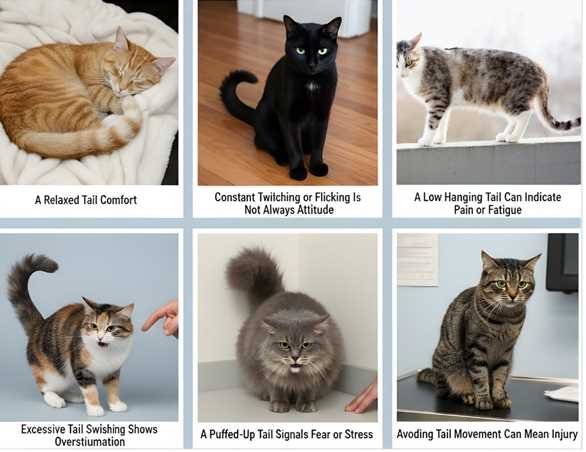
1. A Relaxed Tail Signals Comfort
When your cat's tail is held in its natural position with a gentle curve, it usually indicates that they feel secure and at ease.
If this posture suddenly shifts, it may be indicating that their well-being is being impacted.
2. Constant Twitching or Flicking Is Not Always Attitude
Occasional tail flicks are normal. But repeated, aggressive twitching often signals irritation, stress, or pain. Cats dealing with discomfort may flick their tails when touched or even when resting.
3. A Low Hanging Tail Can Indicate Pain or Fatigue
A tail that stays low or limp for long periods may point to muscle soreness, injury, or general weakness.
This is especially important to watch in older cats or after a fall.
4. Excessive Tail Swishing Shows Overstimulation
Fast side-to-side swinging is often mistaken for playfulness.
In reality, it can mean your cat is overwhelmed, anxious, or experiencing physical discomfort. Ignoring this signal can lead to scratching, biting or destructive behaviour.
5. A Puffed-Up Tail Signals Fear or Stress
A cat's puffed tail typically shows that they're fearful or alarmed by their environment.
This reaction could've been caused by persistent stress, recurrent fear responses, or abrupt environmental shock or changes, which might weaken immunity, make them vulnerable and impact overall health.
6. Avoiding Tail Movement Can Mean Injury
Your cat may have a tail injury, nerve problems, or spinal discomfort if they abruptly stop lifting or moving their tail normally.
This requires immediate attention and diagnosis from a professional.
7. Tail Sensitivity Is a Major Red Flag
Your cat may be experiencing trauma, inflammation, or nerve pain if they react violently when their tail is touched.
Sensitivity is often one of the clearest pain indicators.
Why the Tail Matters
You might not even know your cat is in pain, as they tend to hide their pain extremely well.
Their tail often reacts before appetite changes, limping, or visible distress appears. Observing tail movements gives you a daily health check without stress or tools.
Mr n Mrs Pet can help you understand your cat's behaviour and needs so that you can read these subtle tail signals, recognise health issues early, and give your cat the gentle, timely care they deserve.