If you've ever called your cat and received nothing but a slow blink… or worse, a blank stare before they casually walk away, you may have wondered:
"Why does my cat ignore me?"
But here's the truth: Your cat isn't ignoring you. You're just missing their signals.
Cats communicate in subtle, quiet, and deeply expressive ways that are easy for humans to overlook. Once you learn to read their cues, your bond becomes stronger, sweeter, and surprisingly more interactive.
Let's decode what your cat has been trying to tell you all along.
1. The Slow Blink: A Feline 'I Love You'
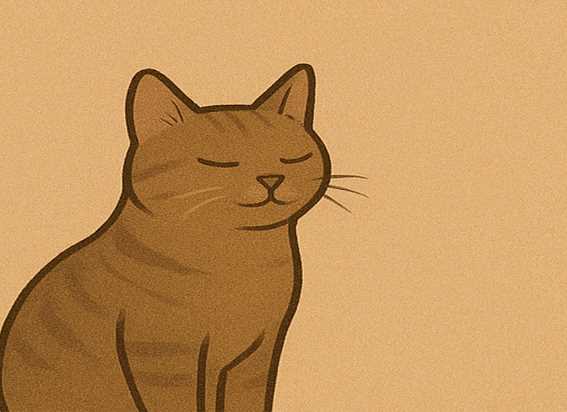
Many pet parents interpret a slow blink as their cat being sleepy or uninterested.
But actually, this is your cat saying: "I trust you. I feel safe with you."
Try giving a soft, slow blink back, and you'll be amazed at how many cats respond.
It's one of the purest forms of feline affection.
2. Tail Talk: Their Tail Says It All
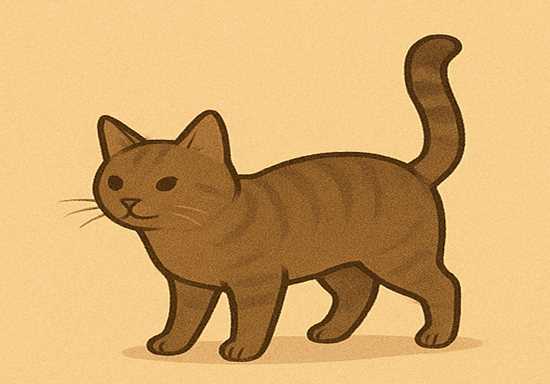
A cat's tail is basically an emotional antenna. If you're missing the signals, here's what they mean:
-
Tail up with a slight curve: "Hi, I'm happy to see you."
-
Tail vibrating: "I'm REALLY excited you're here."
-
Puffed-up tail: "I'm scared or startled."
-
Tail low and stiff: "I'm not comfortable right now."
So when you think they're ignoring you while their tail is up, they're actually greeting you.
3. Turning Their Back on You? That's Trust
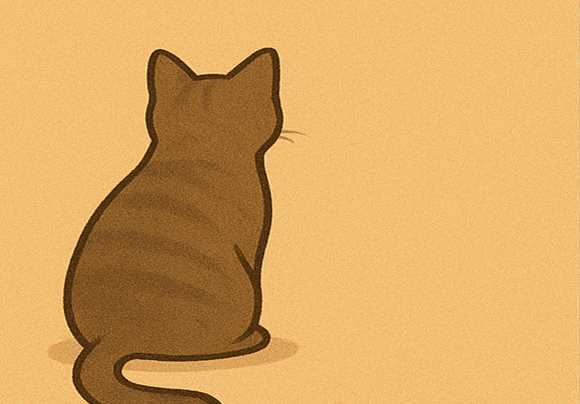
Cats don't show their back to anyone they don't trust. If your cat turns around and sits with their back facing you, they're not offended but relaxed and feel protected enough to let their guard down.
It's the feline equivalent of saying, "You watch my back; I trust you."
4. Little Head Turns & Ear Movements = Micro-Responses
Cats often respond to your voice, just not in loud or exaggerated ways. They may:
-
Flick an ear
-
Tilt their head slightly
-
Pause mid-grooming
-
Wiggle whiskers
These tiny reactions are their way of saying, "I hear you, I know you're talking to me."
5. Rubbing Against You Isn't Just Affection- It's Communication
When your cat rubs their face, tail, or body against you, they're not being clingy.
They're actually:
-
Marking you as "safe"
-
Reinforcing social bonds
-
Greeting you after separation
-
Saying "this human is mine"
So if they brush past you and walk away, they're not ignoring you; they've already said hello.
6. When They Walk Away, It's Not Rejection
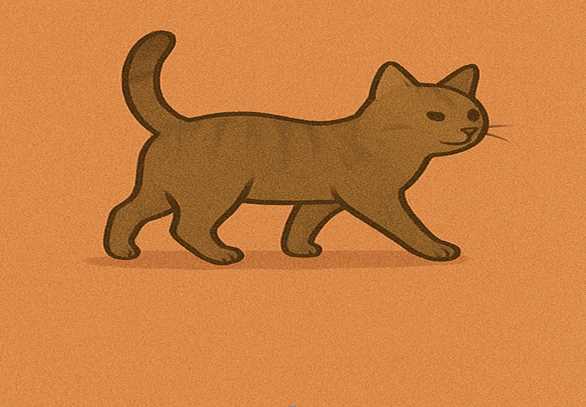
Cats often move away from people they love because they're comfortable enough to come and go freely. For them:
-
Independence = safety
-
Space = respect
-
Distance = trust
If your cat were truly unhappy, they would hide and not casually stroll away.
7. The Silent Meow: Their Softest Signal
Cats often communicate with humans using a silent or very soft meow.
This tiny "air meow" means:
-
"I'm acknowledging you."
-
"I trust you."
-
"I want something, but gently."
Many pet parents miss this adorable micro-meow entirely.
8. Sitting Near You (Not On You) Means You Matter
Some cats don't sit on laps, but they'll sit:
-
On the same couch
-
On a nearby surface
-
Facing your direction
This is a clear signal that they enjoy being around you while maintaining their personal comfort zone. It's companionship, the cat way.
9. The Greeting Ritual You Didn't Notice
When you enter a room, your cat might:
-
Stretch
-
Yawn
-
Walk in a semi-circle
-
Roll slightly on their side
Each of these is a friendly social way. They're acknowledging you, even if it doesn't look like a typical "hello".
10. Your Cat Is Always Watching You (Secretly)
You may think your cat is "ignoring" you, but they're often:
-
Tracking you with their eyes
-
Listening for movement
-
Noting your tone
-
Responding internally
Cats are hyper-observing animals. Just because they aren't reacting dramatically doesn't mean they're not tuned into you.
Your Cat Speaks a Language of Subtlety
Cats aren't cold, distant, or indifferent, but they're simply quiet communicators. Once you start noticing the small signs, you'll realise: Your cat has been talking to you all this time. You just needed to learn the language.
Want to understand your pet better?
Connect with Mr n Mrs Pet for more insights into pet behaviour, training, and health because a well-understood pet is a happier pet.