As the cold weather approaches, we often wonder if it affects our cats in any way. The answer is YES! Cold temperatures can result in several health issues, such as hypothermia, frostbite, or respiratory infections. It can be especially true for kittens, elderly cats, short-haired cats, as well as outdoor and stray cats.
Even though cats are considered to be very resilient and independent animals, it is essential to know that they may suffer without showing signs. According to a study published in the Journal of Feline Medicine and Surgery, cats that are exposed to prolonged cold will exhibit joint stiffness, low immune responses, and possibly severe or life-threatening consequences.
Whether your cat is primarily indoors with supervised bathroom breaks or if your cat is outdoors or a community cat, it's essential to be aware of how winter weather impacts their health. In this post, we will identify the hidden dangers of cold weather to cats, signs to look for, and helpful tips on keeping your cat safe and warm during the winter months.
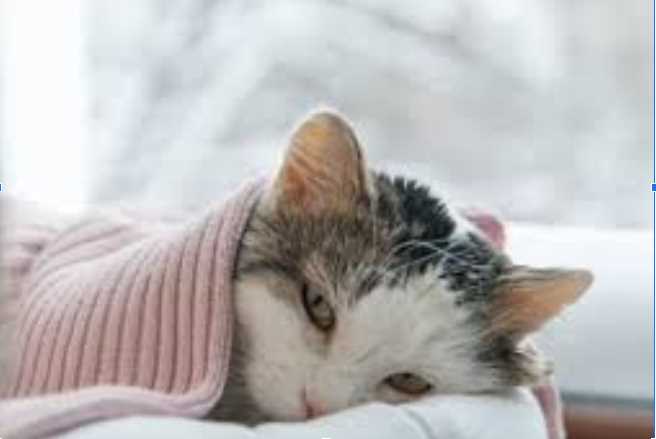
Can Cats Get Sick from the Cold?
Definitely, cats can become ill due to exposure to cold weather. Like many other species (including humans), cats can be more tolerant of cold weather than others, but still become sick with either prolonged exposure or cold snaps. Knowing this will make you more attentive to your cat's needs and well-being.
Which Cats Are Most at Risk?
While all cats can be affected by cold weather, some are at a higher risk:
- Kittens – They have underdeveloped immune systems and can't regulate body temperature sufficiently.
- Senior cats – Older cats may have underlying conditions like arthritis or a weakened immune system.
- Short-haired or hairless breeds – Breeds like the Sphynx or Siamese have little to no insulation.
- Outdoor cats and strays – Constant exposure increases the risk of illness or injury.
Health Risks for Cats in Cold Weather
Let's break down the most common health problems cold weather can cause in cats:
1. Hypothermia
Hypothermia poses a substantial danger to cats that are exposed to cold conditions.
It occurs when a cat's body temperature drops significantly (below 99°F / 37.2°C), leading to a severe decline in its general functional ability.
Signs of hypothermia in cats include:
- Violent shivering
- Lethargy or lack of coordination
- Cold ears, paws, and tail
- Slow breathing or heart rate
- Collapse or unconsciousness (in severe cases)
What to do:Take your cat to a warm place right away. Wrap your pet in a warm (non-electric) blanket and call your veterinarian. Hypothermia can result in death if it is not treated quickly.
2. Frostbite
In extreme cold, frostbite occurs, which means tissue damage. It usually affects areas with little fur or poor circulation, such as:
- Ears
- Nose
- Paw pads
- Tail
Symptoms of frostbite include:
- Pale, grey, or bluish skin
- Swelling or blistering
- Pain or sensitivity when touched
- Blackened, dead tissue (in advanced cases)
What to do:Gently warm the area using a warm (not hot) towel. Do not rub or massage the area, as this can worsen the damage. Seek veterinary care as soon as possible.
3. Upper Respiratory Infections (URIs)
Chilly and damp environments can weaken a cat's immune system and increase the risk of developing upper respiratory infections. URIs tend to be especially common in shelters or homes with more than one cat.
Symptoms include:
- Sneezing
- Nasal congestion or discharge
- Watery or red eyes
- Coughing or wheezing
- Loss of appetite or energy
Prevention tip: Keep your home warm, dry, and clean. If your cat appears to be sick, then you should see a veterinarian. If left untreated, URIs can progress into more serious issues, such as pneumonia.
4. Worsening of Arthritis and Joint Pain
Cold weather can make their joints stiff and increase pain in cats with arthritis, just like in humans. Senior cats are particularly vulnerable.
Signs include:
- Difficulty climbing or jumping
- Limping or stiffness
- Changes in posture
- Decreased activity or grooming
Signs include:Provide warm, soft bedding, raised feeding bowls, and orthopaedic pet beds. Speak to your vet about safe supplements or medications that can reduce inflammation and pain.
How Cold Is Too Cold for a Cat?
In general, temperatures below 45°F (7°C) can be dangerous for cats, especially if they're exposed for long periods. For kittens, sick cats, or short-haired breeds, even temperatures around 50°F (10°C) can be too cold without adequate shelter or warmth.
While indoor cats likely won't require sweaters or heating pads, you should still provide a warm space that is free from drafts.
Cold Weather Cat Care Tips
By using these inexpensive solutions, you can help keep your cat healthy and comfortable during the winter months.
1. Keep Cats Indoors
The best way to prevent cold-related illness is to keep your cat indoors during cold weather. At the same time, there may be times when you can allow supervised outdoor time.
By taking simple measures, you can ensure your cat's health and comfort, making you feel capable and in control.
2. Create Warm Sleeping Areas
Cats love to be warm! Provide your cat with a variety of comfortable pet beds located away from drafts. Other ideas include:
- Using thermal (self-heating) pet blankets.
- Position your cat's bed in a sunbasking location near a sunny window.
- Use heated pet beds (be sure they are always safety certified).
3. If Appropriate, Increase Food Intake
Cold weather can increase energy requirements. Ask your veterinarian whether increased winter calories are necessary for your cat, especially if it is more active or goes outdoors at all.
4. Keep Water Available and Unfrozen
If your cat goes outdoors for any time, be sure that its water does not freeze. Use heated bowls or check often to be sure. It is still possible for your cat to become dehydrated in winter!
5. Maintain Indoor Humidity
Heating systems can dry indoor air, which may lead to skin irritation or respiratory problems. You can use a humidifier to help maintain the moisture levels in the house.
Outdoor & Feral Cats: How to Help in Winter
Are you caring for a stray or feral cat in the wintertime? Here's how to keep it safe and sheltered:
- Make a DIY insulated cat shelter from a plastic tote, some styrofoam insulation, and some straw.
- Don't use blankets or towels, as their moisture can freeze.
- Keep shelters dryer and use an elevated surface/area and blocks to put it up high and away from the wind.
- Make sure to fill frozen food and water pots with fresh, unfrozen food and water each day, and consider using heated water bowls to keep the water from freezing.
These little things can save lives on freezing nights. Please let other cat owners know and help keep all our cat friends safe and healthy this winter.
When to See a Veterinarian
If your cat shows any of the following symptoms during winter, it's time to contact your vet:
- Persistent sneezing or coughing
- Discharge from the nose or eyes
- Lethargy or loss of appetite
- Limping or signs of joint pain
- Any signs of hypothermia or frostbite
- Early treatment can reduce complications and keep your cat happy and healthy.
Final Thoughts
Cold weather can make a cat sick and the health risks are real, from hypothermia and frostbite to joint pain and respiratory infection, winter can be harsh on cats, provided you don't care for them.
But with a bit of planning, a warm shelter, and the proper winter gear, you can keep your feline companion healthy all season long.
Mr n Mrs Pet (MMP) is here to help you every step of the way, whether you're caring for an indoor lap cat or a community of outdoor strays.